Halogenix: A Life in Process
Halogenix, in conversation with Conduct
Myself and Halogenix spent some time touring Australia and new Zealand in late 2025 when a lot of these conversations started. We had made music and performed together a good few times in the past but spending that much time with anyone felt like finally talking properly. Outside, the landscape was doing what it does out there: huge skies, violent weather, impossible colours. Talking about it now, Halogenix explains why places like this matter to him.
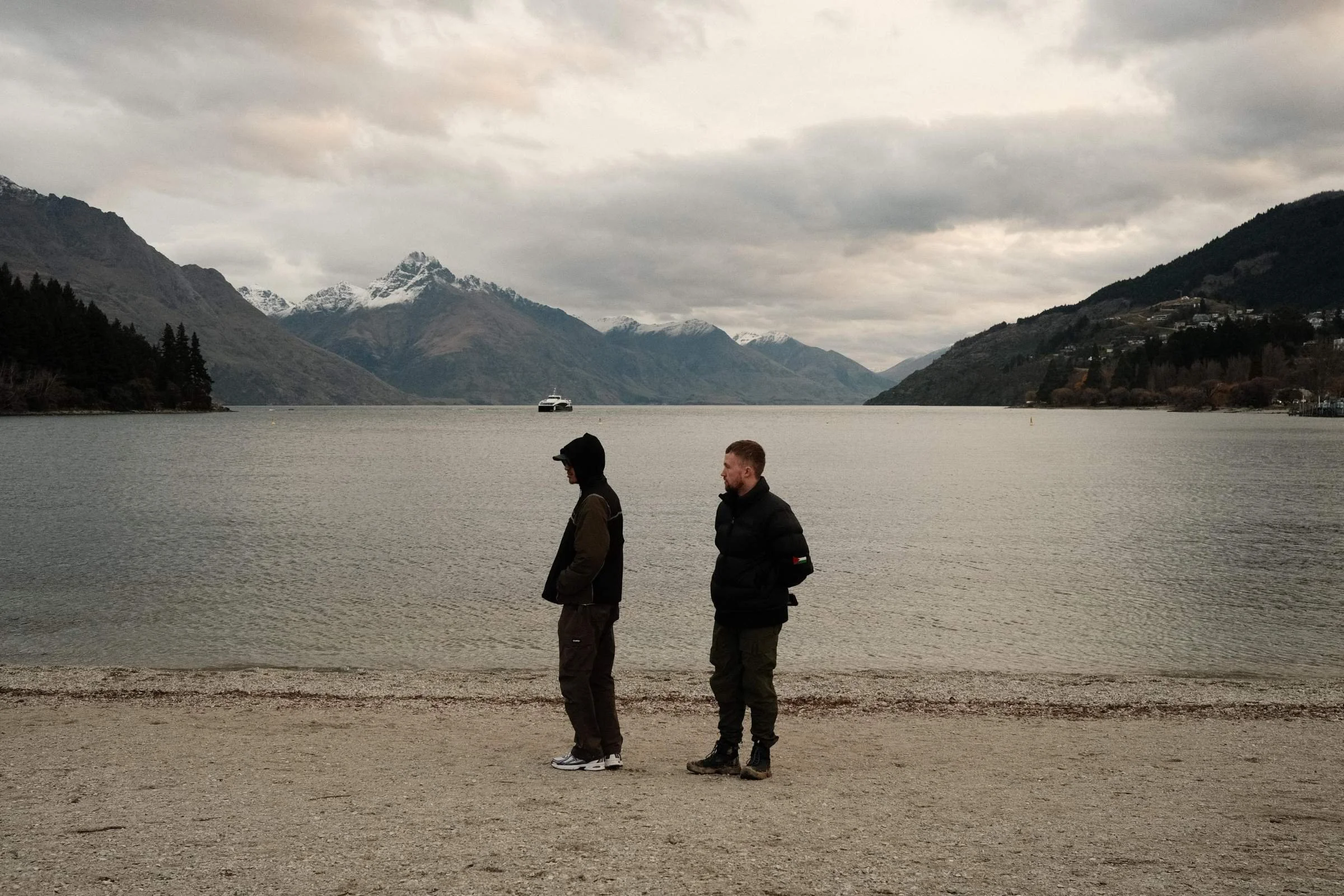
Strategy & Halogenix, New Zealand
“I just love that place. It’s almost spiritual for me. Something I’ve come to realise about myself recently is that I really yearn to be around nature — and what better place than Queenstown. It calms me deeply… There have been times previously when I’ve explored Queenstown where I’ll just stop somewhere and sit there for hours just in silence staring into the wild.”
That need for stillness sits in contrast to the pace he’s lived at inside music — a pace that started long before Ivy Lab, before touring, before any talk of Apple. It starts in North London in the 90’s..
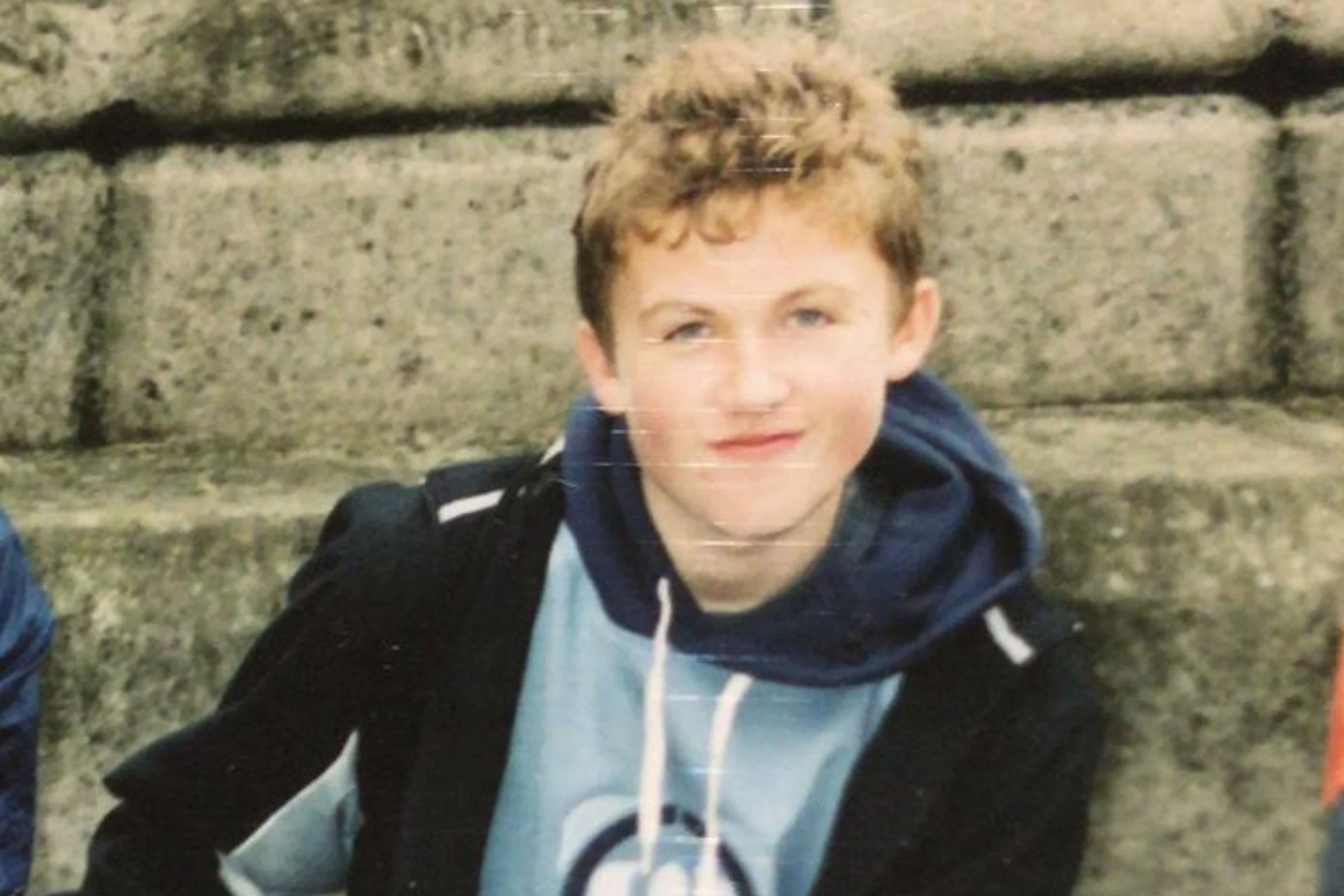
Young Halo
Early Life · Family · First Sparks
“I grew up in Stokey,” he said ‘It was different back in the 90s — still reeling from the poverty of the 70s/80s but the new money gentrification had started, so I guess I was part of that new wave of people coming through. It was fun but it definitely had its gritty side.”
Some of his earliest memories.
“I remember my mum never letting me go to the shops by myself until I was about 10 out of fear of something happening… Someone got shot at the end of my road when I was a kid, which I found very exciting, but obviously my family didn’t think so.”
Music, though, was constant — coming from every direction. The first song he remembers properly loving is as direct as it gets.
“Shaggy — Mr Bombastic,” he laughed. “Used to sing it in the car on the way to school.”
At the same time, the deeper stuff was getting in early through the people around him.
“My best mate who lived four doors down from me — his older brother was a garage DJ. We’d always be listening to that when I went over. He had such an amazing collection of old UKG and jungle records so we’d always be listening to that kind of stuff.”
At home, the range was broad.
“At my mum’s house it was stuff like Eurythmics, M People, Bob Marley, Phil Collins, Pink Floyd. My step-dad had a bunch of cool stuff… he had this tape we’d always listen to in the car of The Gypsy Kings, Bamboléo.”
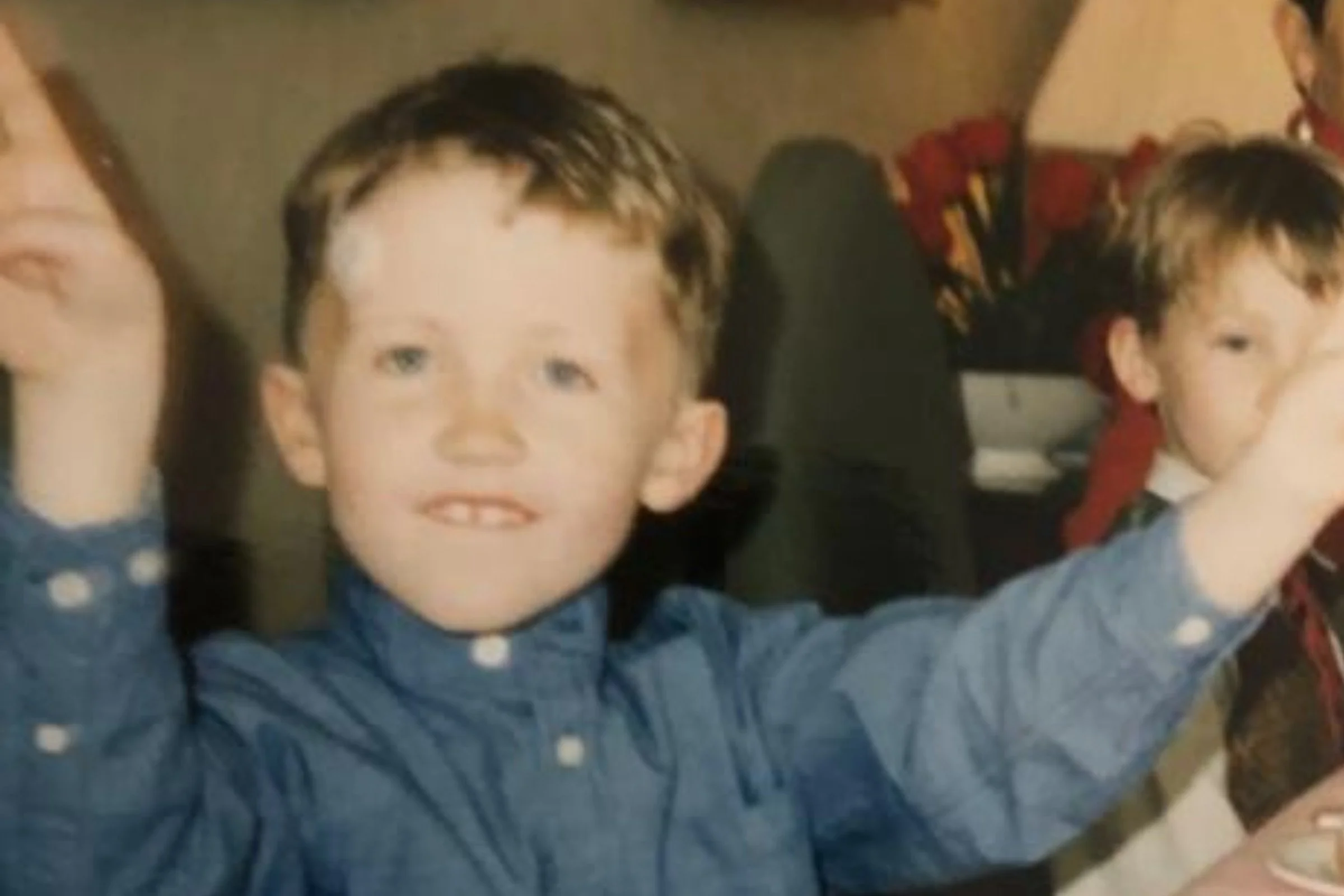
Early years
Then there’s the other side of his musical upbringing, the fact of his dad being a professional orchestral musician.
“He played the French horn in the London Symphony Orchestra, so I was exposed to a lot of different things growing up. I took music lessons at the age of seven on the cello and piano and then later the guitar.”
He describes his childhood openly.
“Pretty normal, I guess,” he said. “I came from a divorced family so there were definitely challenges growing up.”
A major turning point arrives through his older brother — not through the industry, not through a big moment, just someone bringing home the right CD at the right time.
“He came home one day from a shopping trip with my mum and he bought back a mix CD by Grooverider called Pure Drum & Bass. I was 10 at the time and had just started down my kind of rebellious and angry phase, and so this really fast and aggressive sounding music really spoke to something deep inside me.”
This combination of genres really mattered.
“He was really into heavy metal and so naturally so was I,” he said. “I found myself going between Slipknot and Lamb of God albums and this Grooverider mix CD.”
By the time he’s a teenager, it’s already hands-on. DJing didn’t start with perfection; it started with trying.
“The brother of my best mate… used to work at the local youth club so we’d go there quite a lot and he’d teach us about tunes and DJing,” he said. “Then when I was 15 I bought my first set of 1210s off my mate’s brother… He lent me a load of his old UKG records so my first foray into DJing was actually through garage. I had no idea what I was doing so I just used to line up the drops and throw the record in and hope for the best.”
There are little snapshots in his memory that show his journey towards the more uk electronic sounds he is now associated with.
“I remember going to this party at my primary school and I’d just bought Pure Garage mixed by DJ EZ and that was on heavy rotation at the dance.”
Production came early too — and again, it didn’t arrive with a studio and a clear plan. It came with a laptop and a lot of curiosity.
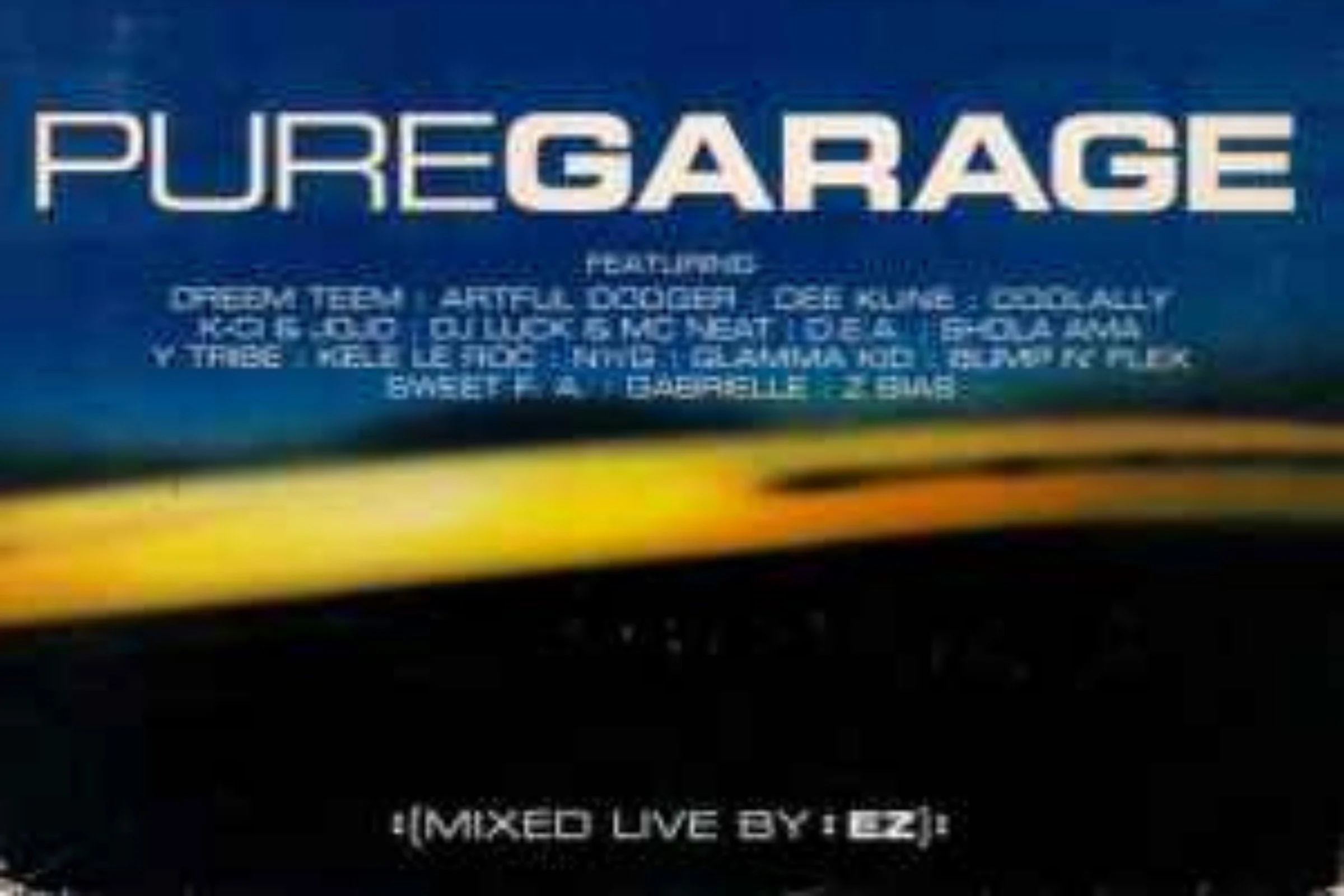
Pure Garage, mixed by EZ, 2000
Teenage Years · Pre-Internet · Early Production
“I must have been about 15,” he said. “I got my first laptop which was a MacBook. It had GarageBand on it which was pretty basic back then but it had all the essential tools to make a tune.”
The first experiments weren’t even DnB — they were this urge to taking his influences and flipping them it into his own vision.
“I remember making a hip-hop version of a Mozart tune,” he said. “I was really into playing the Moonlight Sonata on the piano and I really wanted to make it into a hip-hop version because I think I’d heard the Tiësto remix of Adagio for Strings which I was really into as well.”
He remembers exactly what attracted him: not genre, but feeling.
“The idea of taking something classical and making it modern really intrigued me at a young age,” he said. “And both of those tracks just oozed with sadness and emotion, which kind of resonated with me at the time.”
He still laughs at what he called it.
“I remember it was called ‘the nangest gangstafied pimpslappin’ riddim’.”
Then he starts trying to make DnB — and the context matters here with todays resources being unavailable at the time.
“Beyond that I started to experiment with making DnB,” he said. “This was pre-YouTube and Splice, so I had to really search for samples. Fortunately Dogs on Acid was a thing so I was all over that, downloading whatever sample packs I could and really trying to make something with them.”
The early learning curve is honest.
“My production knowledge was non-existent,” he said. “So it was mainly throwing stuff at the page and hoping for the best.”
A friend changes the game by giving him access to the classic route of that era.
“My mate Bertie gave me a cracked copy of Reason, which after a few tries I figured out how to make a sound.”
‘I Started making DnB at around 160bpm, my exposure to it up until that point was mostly much older material’
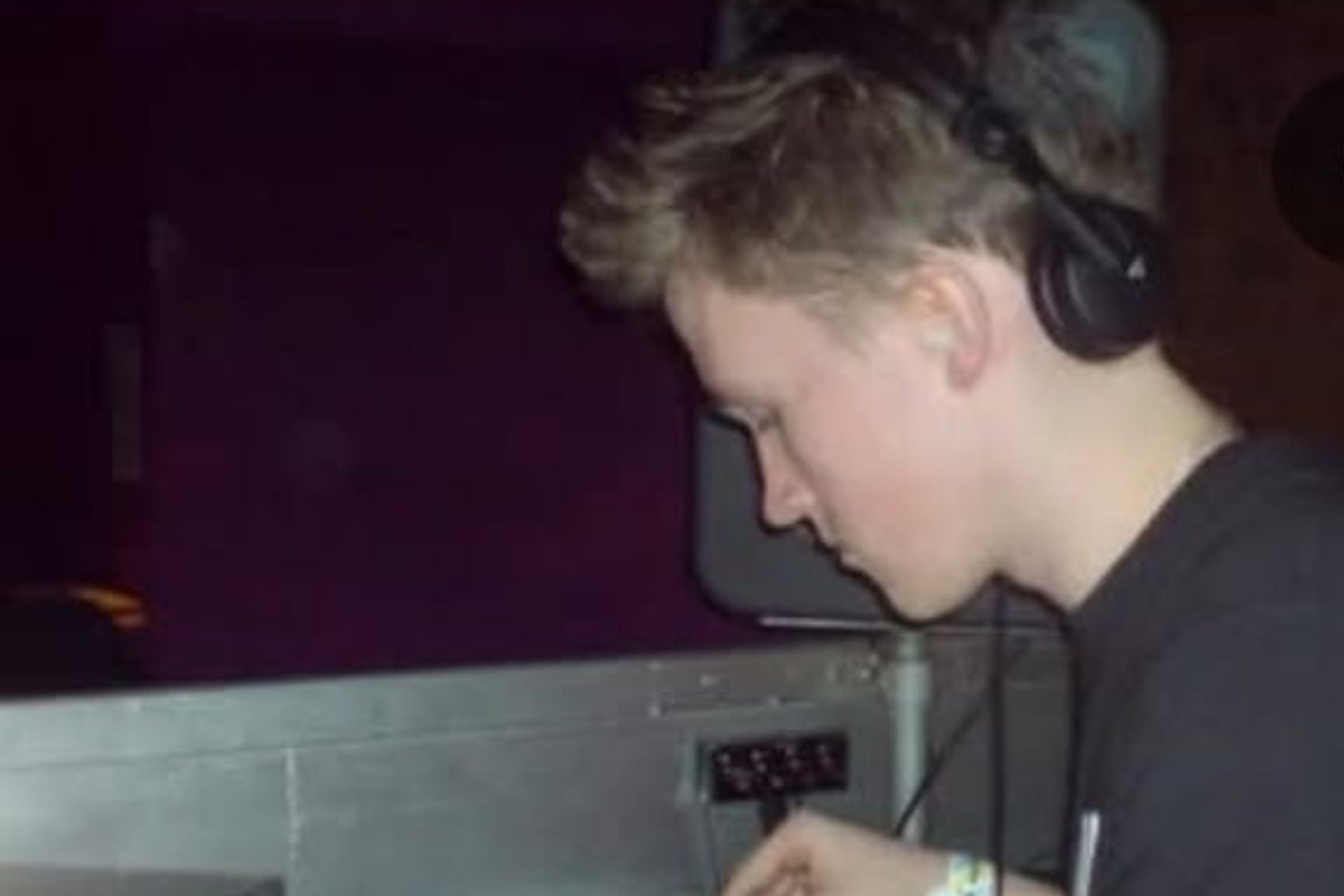
DJ’ing at Herbal in 2009
Ivy Lab
The journey towards Ivy Lab came through friendships, loose connections, and early internet platforms. His older brother went to university in Nottingham with Sabre’s younger brother.
“He came home one holiday with a load of Sabre’s early demos. I ended up getting put in touch with Sabre on AIM and we had a few back and forths about music.”
Years later, a close friend connected him to Stray.
“One of my close friends Finn went to Leeds Uni and became mates with J Stray. I’d given Finn a CD of my tunes to take with him, and one day he messaged me saying he’d played them to J and that J wanted to get in touch.”
“Not long after that I got a DM from Stray on MySpace, saying he’d heard my music through Finn. We started chatting, became friends, and eventually linked up at my place.”
At the same time, Sabre and Stray were already working together.
“J had just done a remix for Sabre on Critical and they were also working together in the studio.”
“I went to see Sabre play a show and met his wife at the time. She told me Sabre had been talking about my music and that he liked it, and she invited me round for dinner without telling him, which I always thought was pretty funny.”
“So there was a point where the three of us were all working with each other in different combinations. It just made sense to link up properly, and that’s when we wrote *Oblique*.”
The name came later.
“It was actually Kasra who suggested we formalise the alliance and come up with a name, as ‘Sabre, Stray & Halogenix’ was a bit of a mouthful. We toyed with various permutations of names, but eventually settled on Ivy Lab.”
“One of the reasons for the name was actually based on the fact we wrote most of the music in my studio at my house which was in the basement and led out into the garden, and the outside wall was covered in ivy. I still have the piece of paper we wrote down all the different variants somewhere in my house.”
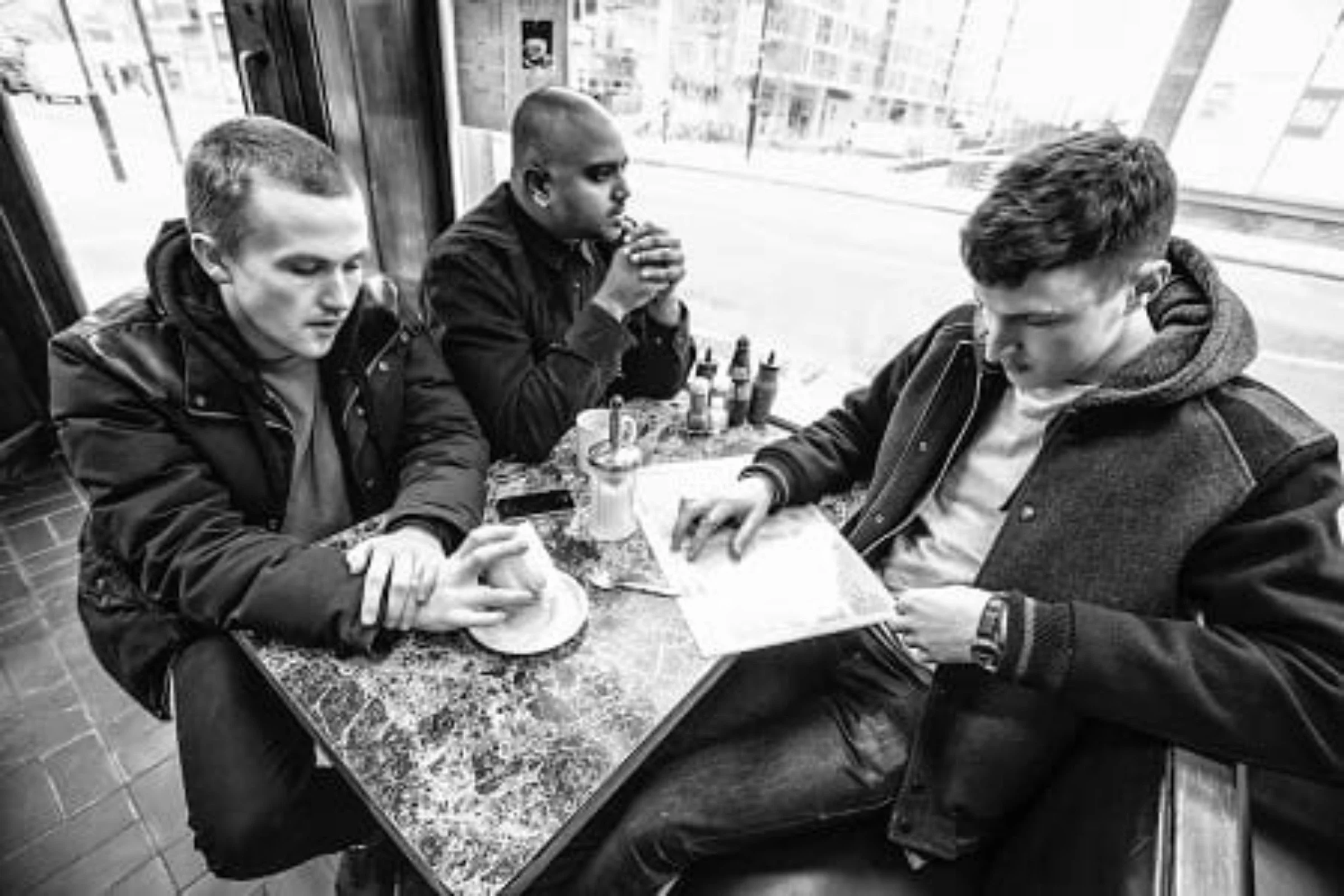
Halogenix, Sabre, Stray. Ivy Lab
The sessions were intense.
“Initially we were mostly together. Gove was living in Thailand at the time and when he came back we’d all link up and have these fairly intense writing sessions together.”
“I’d never done anything like this before so it was equal parts exciting and also stressful, being in that kind of space where we’re trying to write as much as possible.”
“Later on after the project really got going we mostly wrote apart and would come together to finish things off or go through what demos we had and make a plan as to which needed finishing.”
“It was a great set up as we were essentially operating a production house. We were three individually proficient producers all writing under one name, so the diversity in sound was really broad, and we could be highly productive which was a huge asset.”
One of the tracks people still ask about is *20 Questions*.
“That’s a sample from an old Jaguar Wright tune, The What If’s. I’d recently bought a bunch of old white label promos off Discogs so I could lift the acapellas — before we had AI stem splitting — and I was going around buying loads of stuff that had been produced by Bilal.
I ended up going down this rabbit hole and eventually stumbled across the white label DJ promo for Jaguar Wright’s album, which one of the tracks had been produced by Bilal. I’d already written the core part of the instrumental and when the vinyl turned up I was just auditioning all the different acapellas I’d got, and that one just worked perfectly. I still have the vinyl somewhere at home.
This was right around the time we’d started our Bootlegs from the Lab series and that was originally going to be my contribution, but we ended up pulling it and using it as an Ivy Lab track on our 20 Questions EP.
“They were strange times,” he said. “When we started experimenting with the halftime beats, people were actually pretty resistant to it. Dubstep had just tanked because of the shift in sound coming out of the US, so people were very vocal about not wanting to hear anything other than drum & bass.”
One moment in particular stayed with him.
“I remember vividly playing in Room 1 at Fabric for a Critical night. We’d just written Sunday Crunk. We played it and you could see people on the dancefloor didn’t quite know what to make of it. Then someone literally stuck their head up into the booth — right in the middle of the room — and shouted, ‘Stop playing dubstep!’”
They didn’t stop.
“We were fully committed at that stage, so we just laughed it off and carried on. It definitely took a while to convince people that what they were hearing wasn’t actually that far removed from what we’d already been doing anyway. I think that confidence from our point of view played a big part in other people eventually just accepting it and coming along with us.”
Looking back now, he feels the landscape has shifted.
“For the majority of ravers, they’re kind of happy to be led to a point, especially at more underground parties. Now it’s almost expected that a certain ilk of DJs will play different genres in their sets, which is great. Personally, I don’t really want to hear a whole set of one kind of sound — the scene is so fertile at the moment with all these cross-hybrids of genres.”
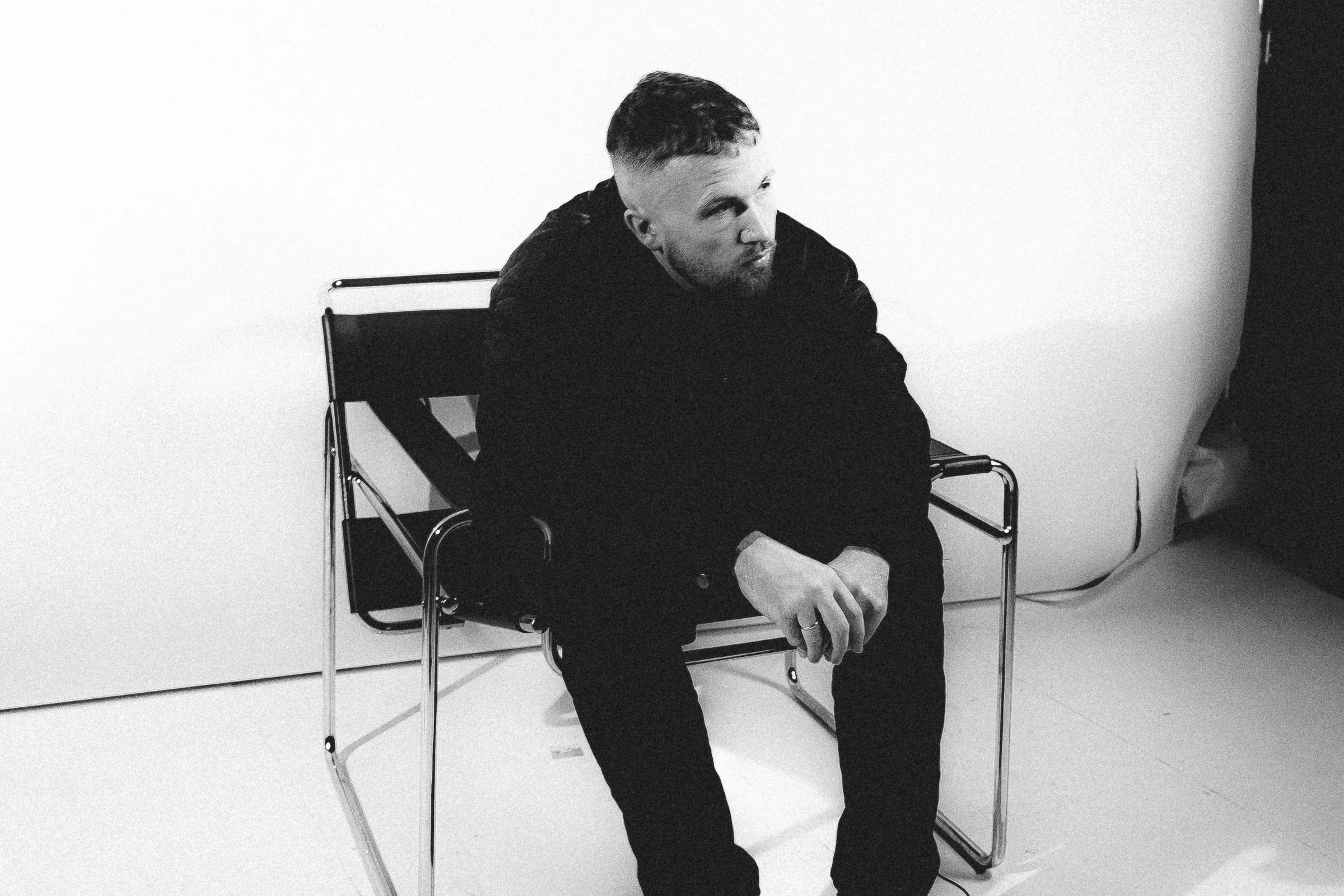
Top tier artistry. Halogenix
As Ivy Lab grew, so did the pressure.
“That period of my life was incredibly chaotic,” he said. “I’d just got married in summer 2016 and Ivy Lab had really taken off around that time, so we were constantly touring. The demand had skyrocketed to the point where we were making some decent money, so the pressure was really on.”
Success came quickly — and loudly.
“I felt this need to prove myself. Not just to myself, but to everyone else. I’d been catapulted from being a total unknown into sudden stardom. We were playing Glastonbury, Sonar, selling out our own label nights, winning awards, being featured in magazines, doing huge tours in the US, playing main stages at big international festivals.”
But the pace was relentless.
“I spent more time on the road than I did at home, and when I was home I was in the studio. All that touring and constant working had a really big impact on me physically and emotionally.”
Being part of a trio added another layer.
“Having to have complete synergy on every direction you go in is extremely difficult to sustain. It became clear to me that the vision I had for the project wasn’t aligned with the other two.”
The decision to step away wasn’t taken lightly.
“On one hand I was living my dream — writing great music that was being recognised as great, DJing around the world to thousands of people and making good money. But without that synergy, it quickly became a burden, and it started to affect my health and emotional wellbeing quite significantly.”
The fallout was real.
“I suffered a pretty severe emotional breakdown in 2017. After that, I knew my family and my health had to be my priority, and that it was best for me to step back and focus on my solo career.”
There’s no bitterness in how he talks about it now.
“There’s no blame in any of it. It was just a combination of timing, pressure, and differing creative directions.”
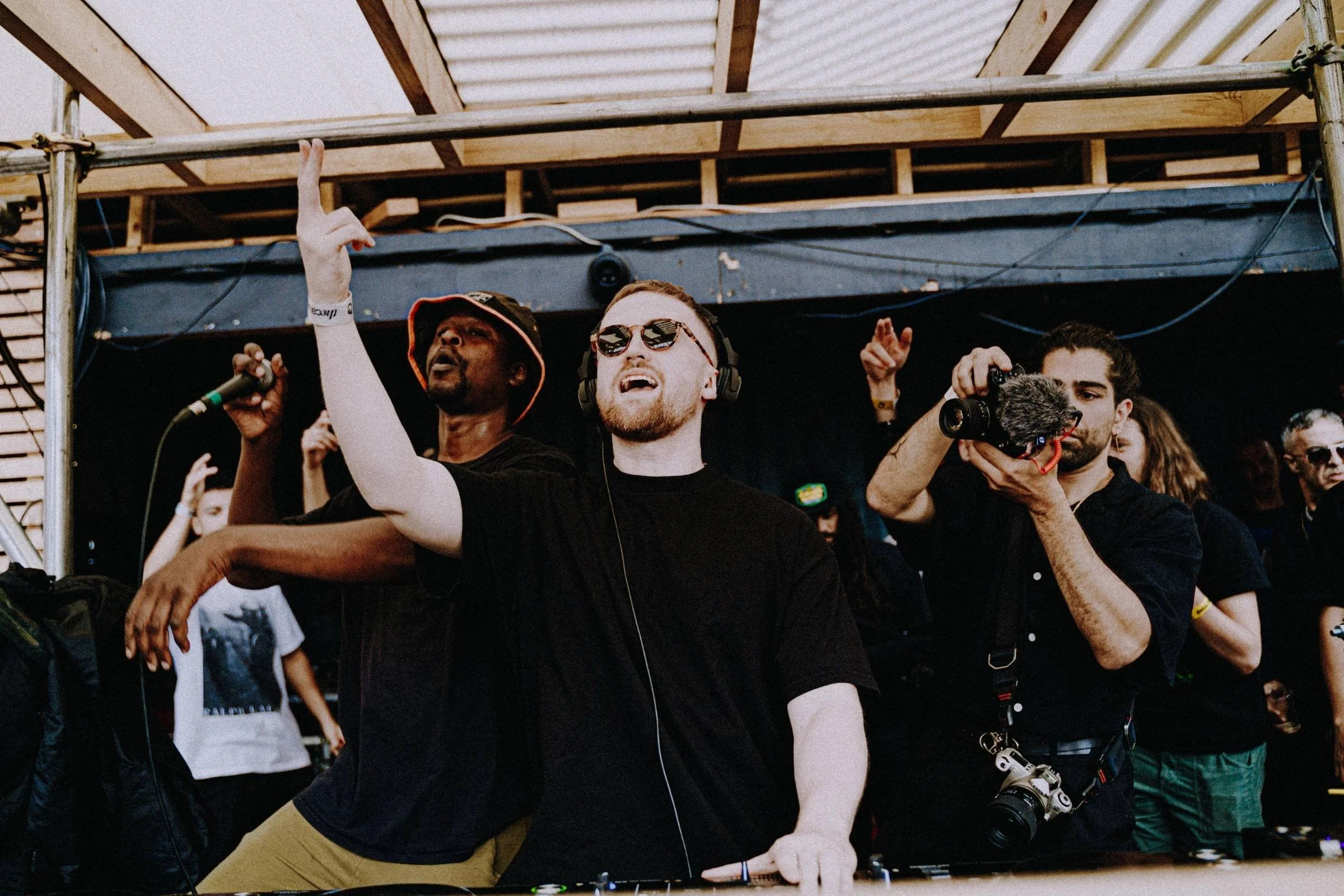
Passions
Around the same time, a new chapter was opening elsewhere.
“I remember our first proper run in the US as a trio was at a festival in Northern California called Emission Festival. A lot of the artists we’d been taking inspiration from were playing there — Mr Carmack, Tsuruda, G Jones — so we were really excited to see what that scene was actually like in real life.”
What they arrived to wasn’t what they expected.
“We turned up, three inner-city London kids who thought they were pretty cool, expecting people to look like us. Instead it was dudes with dreads, loads of tie-dye, crystals everywhere, sage burning — proper hippie energy.”
But the music told a different story.
“And it was lashing trap and dubstep. We’d basically stumbled straight into Wook culture.”
He laughs.
“It was pretty awesome.”
The shows landed — and more importantly, they connected.
“We did our thing and it was really well received. That was really the start of our journey into that part of the world.”
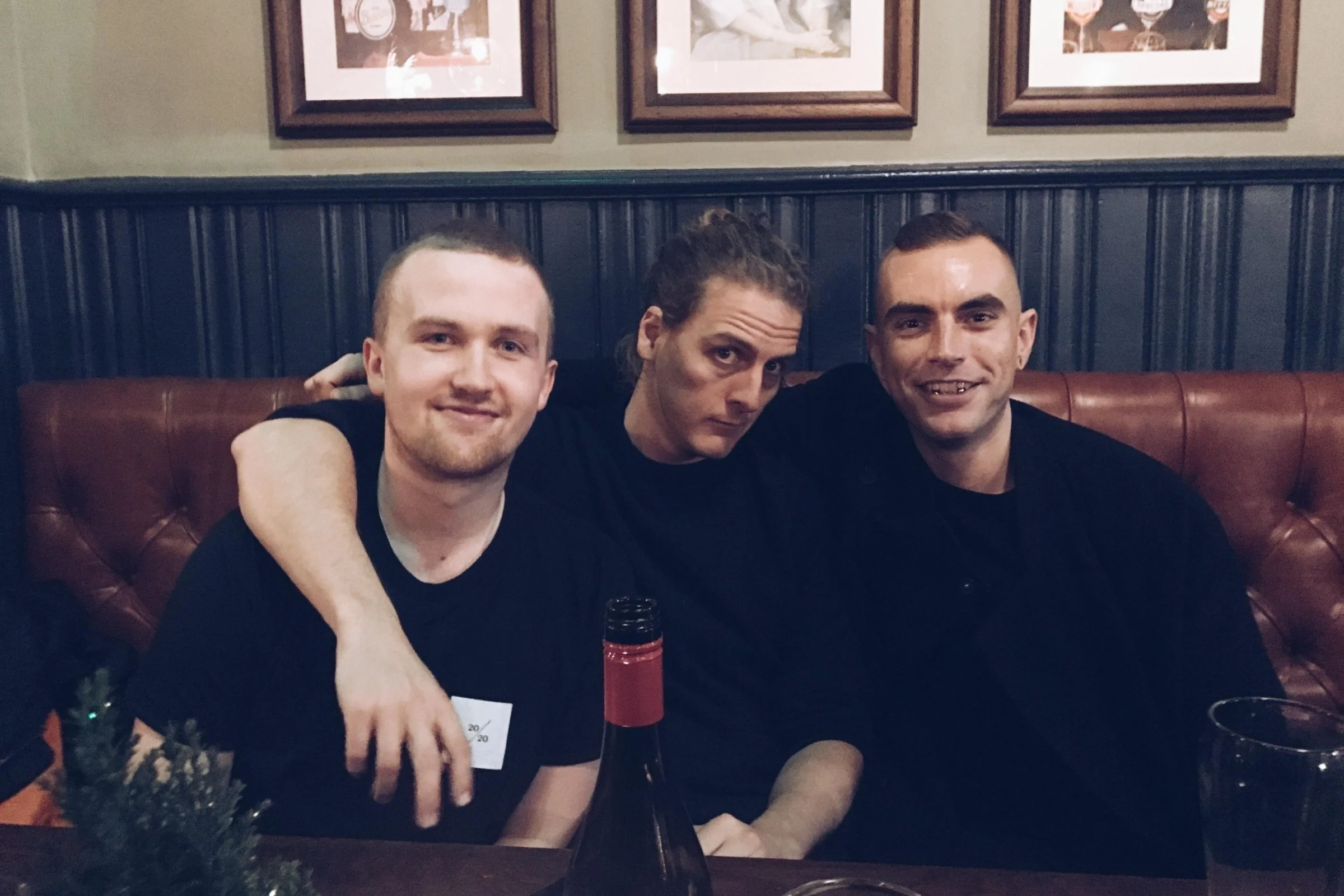
Halogenix, Thys, Alix Perez
Solo Work · Gemini Gemini
'“My solo work as Halogenix is something i’ll always continue to develop, writing music will always be my passion and whether it’s for my own projects, developing other artists or my work with Apple, it’s always something i’ll do. I’m in that place at the moment where I probably have an album’s worth of material ready to let loose, but I'm hesitating about what to do with it.”
“ I have that perfectionist gene in me which can be great in terms of developing ideas, but when it comes to the output, I find it difficult to commit to an idea and see it through.”
Funnily, i don’t have that same issue when it comes to A&R for the label, i’m really good at identifying strong tracks, giving feedback to get them to where i see them and then guiding the project until it comes out, i just need to try that skill on myself and i should be golden.“
“I’m always angling for that untapped area whether it be drawing inspiration from outside the genre, or just finding a new pocket within what’s already out there, don’t get me wrong there’s nothing wrong with treading proven ground, i do that as well, but i’m really interested in trying to see what kind of things are possible by going off the beaten track.”
Gemini Gemini is where that philosophy becomes a structure. Even the name is personal, not a brand exercise.”
“ I’m a Gemini for starters. I always try to tie something personal to what I do in music… But also Gemini represents this kind of duality — the light and the dark, the yin and the yang. There’s pain, joy, anger, sorrow and everything in between. So Gemini Gemini seemed like a good fit.”
The parties are built around community and real-life connection. The open hour at the start, where people can play their own music, is deliberate.
“I really enjoy the idea of giving back to the community. It was inspired by the old CDR parties back in the day where people could bring their tunes and hear them on the system. I remember so vividly hearing my music in a club for the first time. It was life changing for me and I really want to give people that experience.”
“Selfishly, it’s a great way to get demos in and possibly sign stuff for the label, but that is definitely a secondary benefit.”
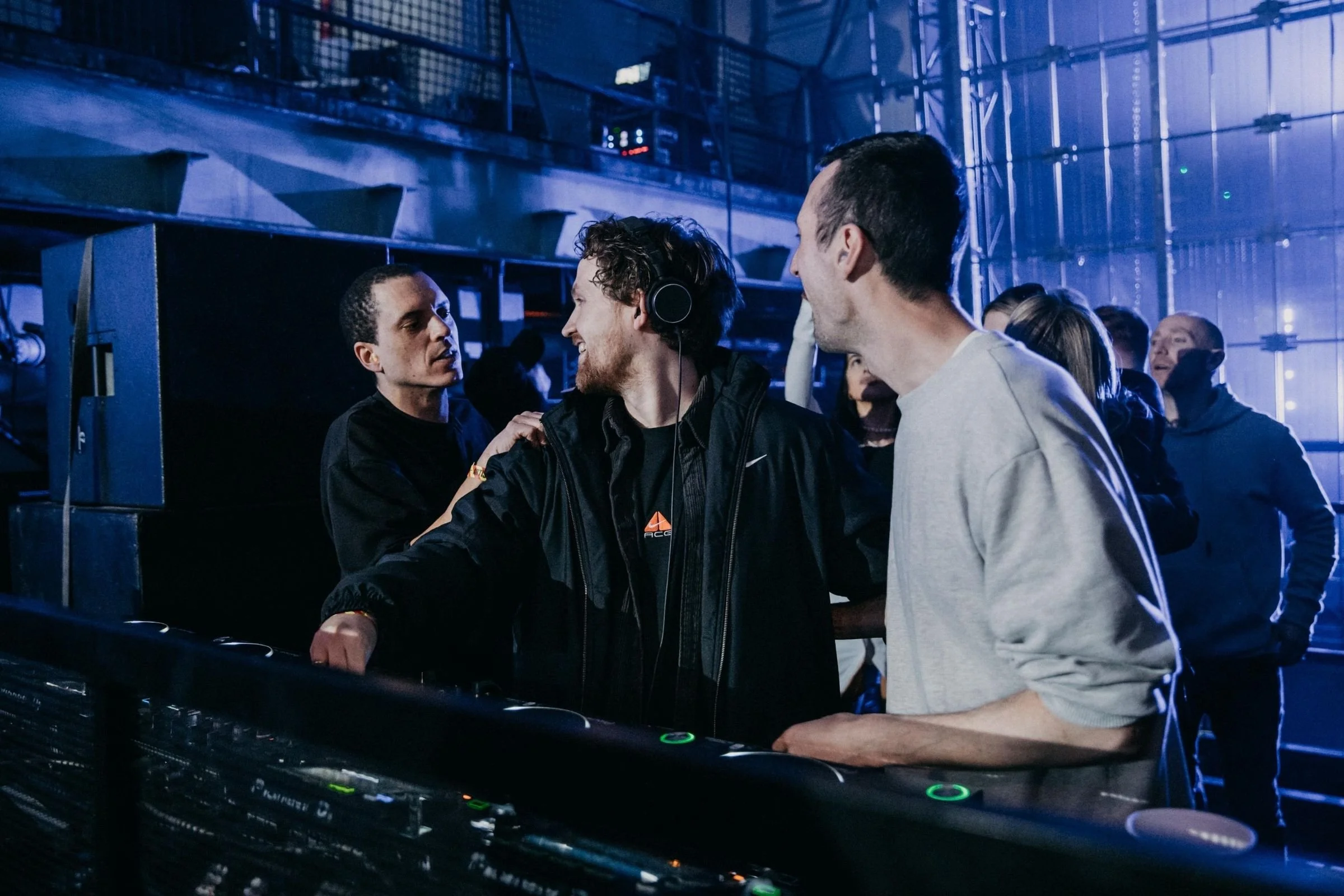
Breakage, Halogenix & Skeptical at Printwork’s London
Then there’s the Apple chapter
“About four years ago I got a call from my friend Andy whose music tech company had just been acquired by Apple. He was looking for an extra producer to join the team and asked if I was interested.”
“It was quite serendipitous timing. My son was just about to turn two, COVID had only just started to clear, and I was really unsure about my future as gigs were only starting to pick back up and we were in this weird space of no one really knowing what the music scene would be like once it got back up and running.”
“It was perfect. As I got more into the work there I started to broaden my involvement and three years later I’m there full time and actually involved in a broader scope of projects. My role is probably best described as a product developer in the computational music organisation within Shazam R&D. Sometimes I look around and wonder how I ended up there. I’ll be in meetings with senior software engineers, developers… all these people who I’d never had any reason to cross paths with previously.”
“I’m still really passionate and motivated to work on Halogenix and Gemini Gemini. Apple provides some well-needed financial security for me as well as being something I’m really interested in.”

A new chapter of work
Life · Journeys · New Zealand · Beyond
We talked about some memories from our time in Queenstown, New Zealand, where we spent a few days between tour dates exploring one of the most amazing places on earth in a Japanese car.
The deer.
“Honestly that was epic. We were just driving through this mad woodland and a deer just jumped out into the road and froze about 10 metres in front of us and then just ran back into the woods.”
The storm.
“Another mad one. I felt like I was gonna be swept off my feet. And there were those cows just standing there like it was no big deal. I really enjoy that feeling of being totally at the mercy of the elements — it feels really calming to me.”
The rainbow.
“I’d never seen anything like it. I thought I was hallucinating… It felt like I could reach out and touch it. We must have stood out on that balcony and stared at it for an hour.”
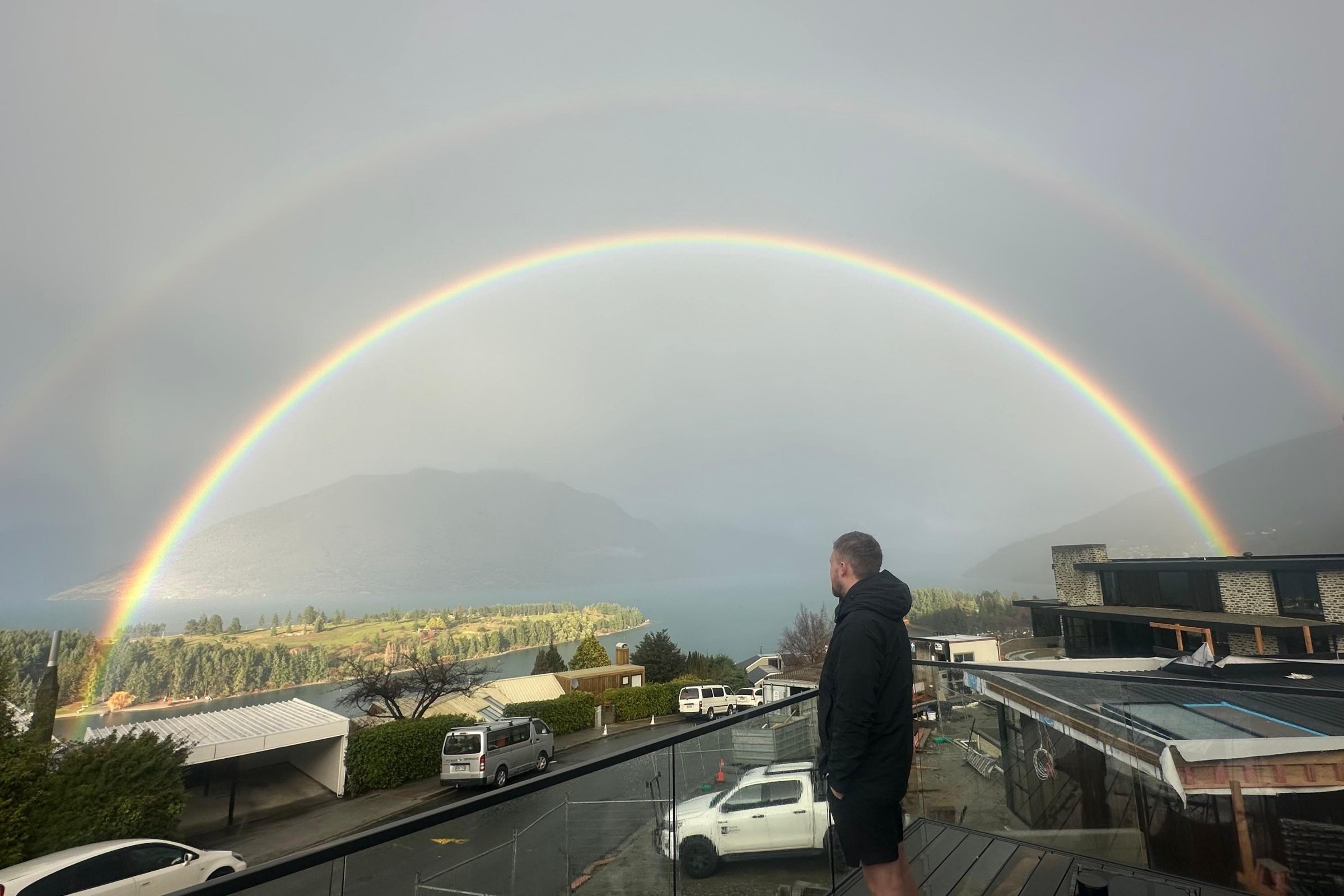
THAT rainbow, Queenstown, New Zealand
Now his curiosity is pointed at a few key things: blending RnB with Drum & Bass, family, and mindset.
“Musically I’m really into trying to blend RnB with Drum & Bass. I’m working with a few different people… there’s this young kid called Daniel who writes the most amazing samples… he’s on that kind of 70s/80s soul vibe.”
“My family is a really important source of inspiration for me too. Being someone that my son can look up to and be proud of… modelling good behaviour and attitudes in an increasingly complex world really motivates me.”
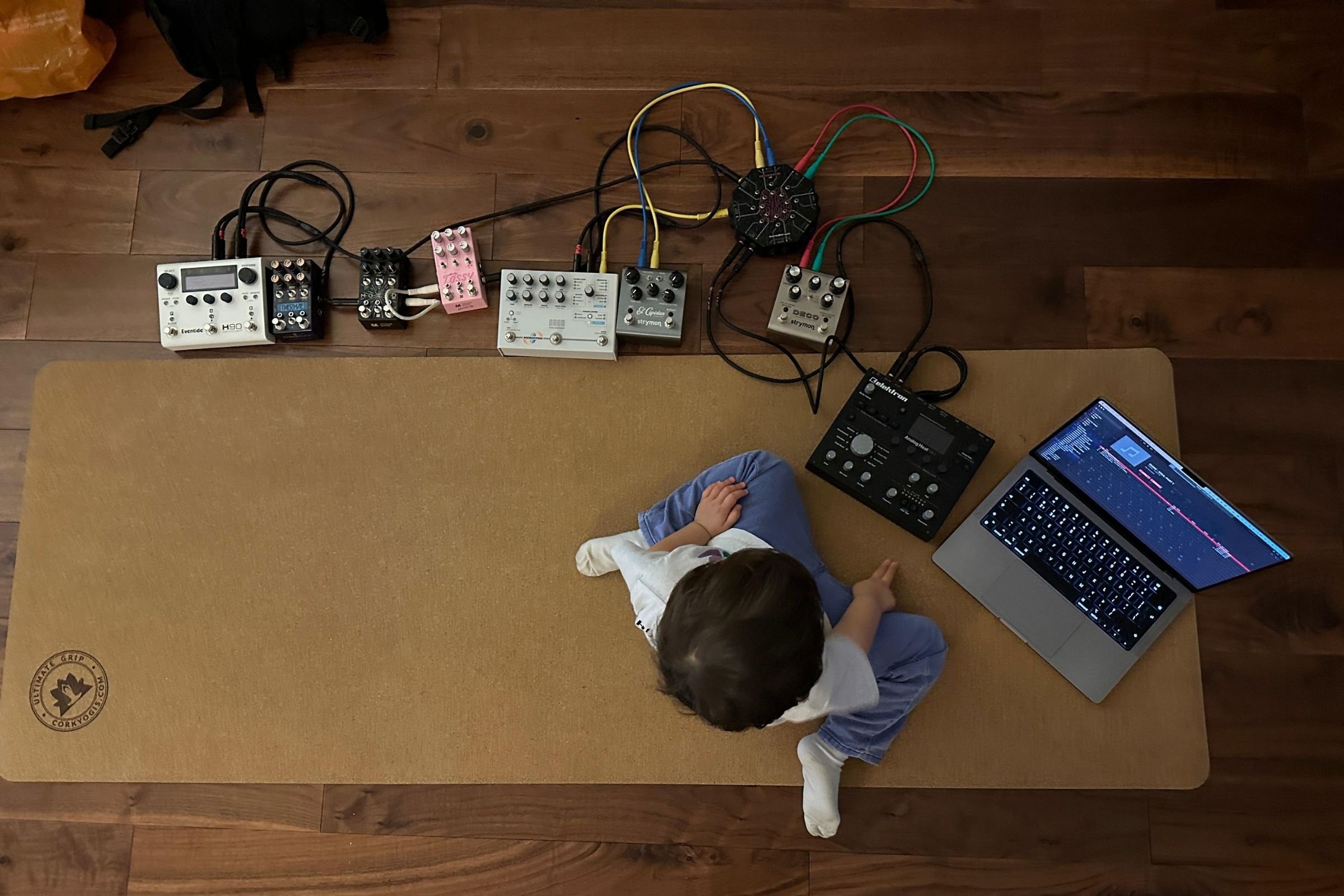
Family time
Outside of music, he’s focused on performance under pressure.
“I’m super into Formula 1 at the moment. I’m really interested and intrigued by how these athletes work on themselves to extract maximum performance in an incredibly high stress situation. I like to take inspiration from how these guys are able to just block out the noise, work meticulously… and use their teams and drive to reach their goals. I find that really inspiring and have taken quite a few big leaps forward recently by trying to adopt a similar mindset — blocking out external noise (social media) and just grounding myself in what I need to achieve what I want.”
That’s the thread running through all of this: someone who has lived both the dream version of music and the cost of it, and is now deliberately building something that lasts.
Not by stepping away from music.
But by refusing to let it take everything.
Conduct would like to thank Halogenix for taking the time to sit down with us and speak openly about his journey, his process, and the realities of building a life in music.
The full interview transcript is available to Conduct members.
