HALOGENIX: Full interview transcript
The complete, unedited interview transcript with Halogenix. A deep conversation on process, pressure, Ivy Lab, solo work, and building a sustainable life in music. Includes unseen photos. Available exclusively to Conduct members.
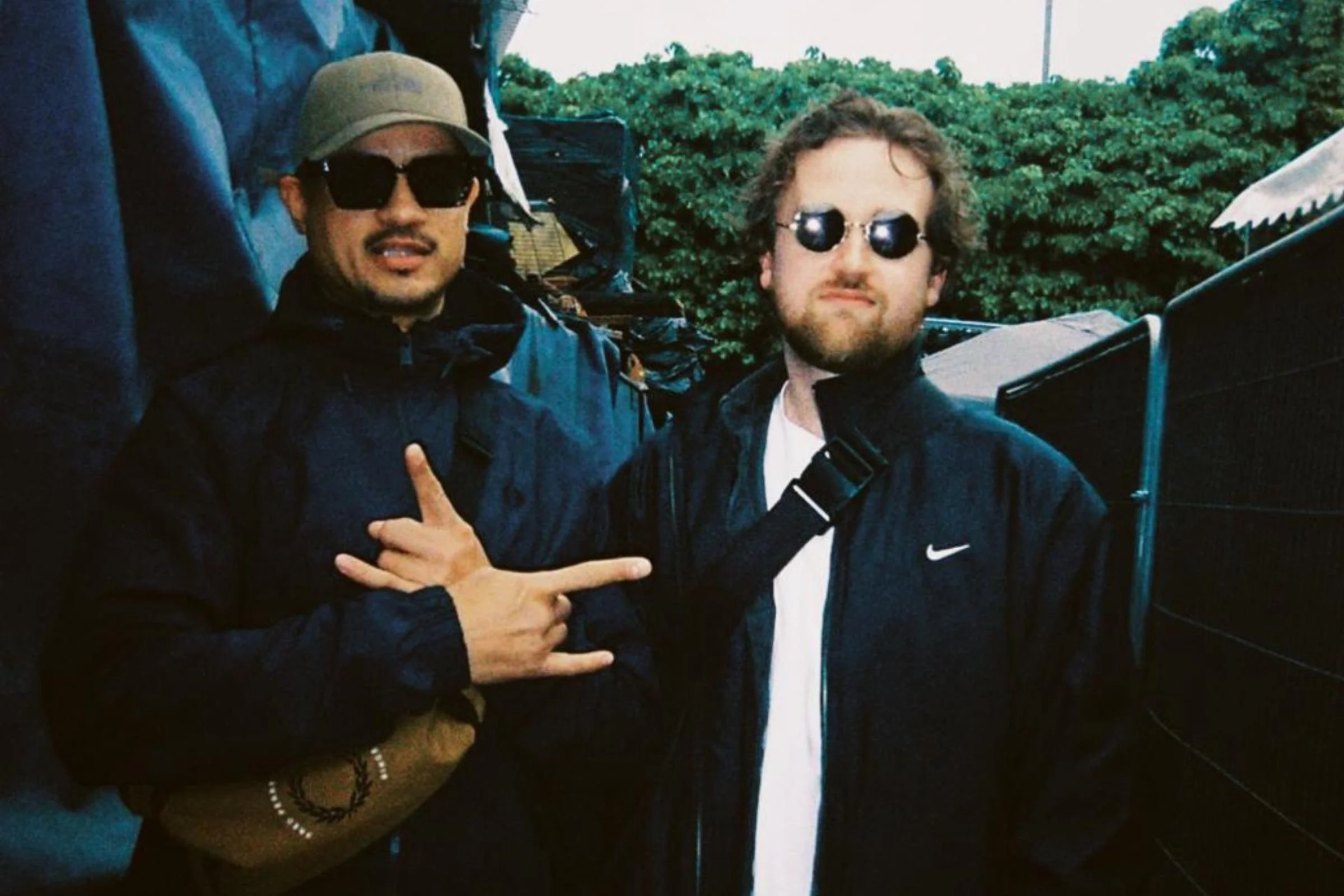
Strategy & Halogenix: In conversation
1. Early Life · Family · First Sparks
Tell me about North London when you were growing up — what kind of place was it, what was the energy like?
I grew up in Stokey. It was different back in the 90s — still reeling from the poverty of the 70s and 80s — but the new-money gentrification had started, so I guess I was part of that new wave of people coming through. It was fun, but it definitely had its gritty side. I remember my mum never letting me go to the shops by myself until I was about ten out of fear of something happening. Someone got shot at the end of my road when I was a kid, which I found very exciting — but obviously my family didn’t think so.
What’s the first song you remember really liking?
Shaggy — Mr Bombastic. I think that was one of the first tunes I really got into. It was right around the time it was on the radio constantly. I used to sing it in the car on the way to school. I had influences coming at me from all sides back then — pop music on the radio, but at the same time my best mate who lived four doors down from me had an older brother who was a garage DJ, so we’d always be listening to that when I went round. He had an amazing collection of old UKG and jungle records.
What were you like as a kid — fashion-wise, attitude, interests?
Pretty normal, I guess. I came from a divorced family, so there were definitely challenges growing up.
Were you already into music at school or did that come later?
Yeah, I was fully into music from a pretty young age. The brother of my best mate was a garage DJ and worked at the local youth club, so we’d go there a lot and he’d teach us about tunes and DJing. I remember going to a party at my primary school and I’d just bought Pure Garage mixed by DJ EZ — that was on heavy rotation. When I was fifteen, I bought my first set of 1210s off my mate’s brother. He lent me a load of his old UKG records, so my first foray into DJing was actually through garage. I had no idea what I was doing — I just lined up the drops and hoped for the best.
My dad was also a musician — he played the French horn in the London Symphony Orchestra — so I was exposed to a lot of different things growing up. I took music lessons from the age of seven on the cello and piano, and later the guitar.
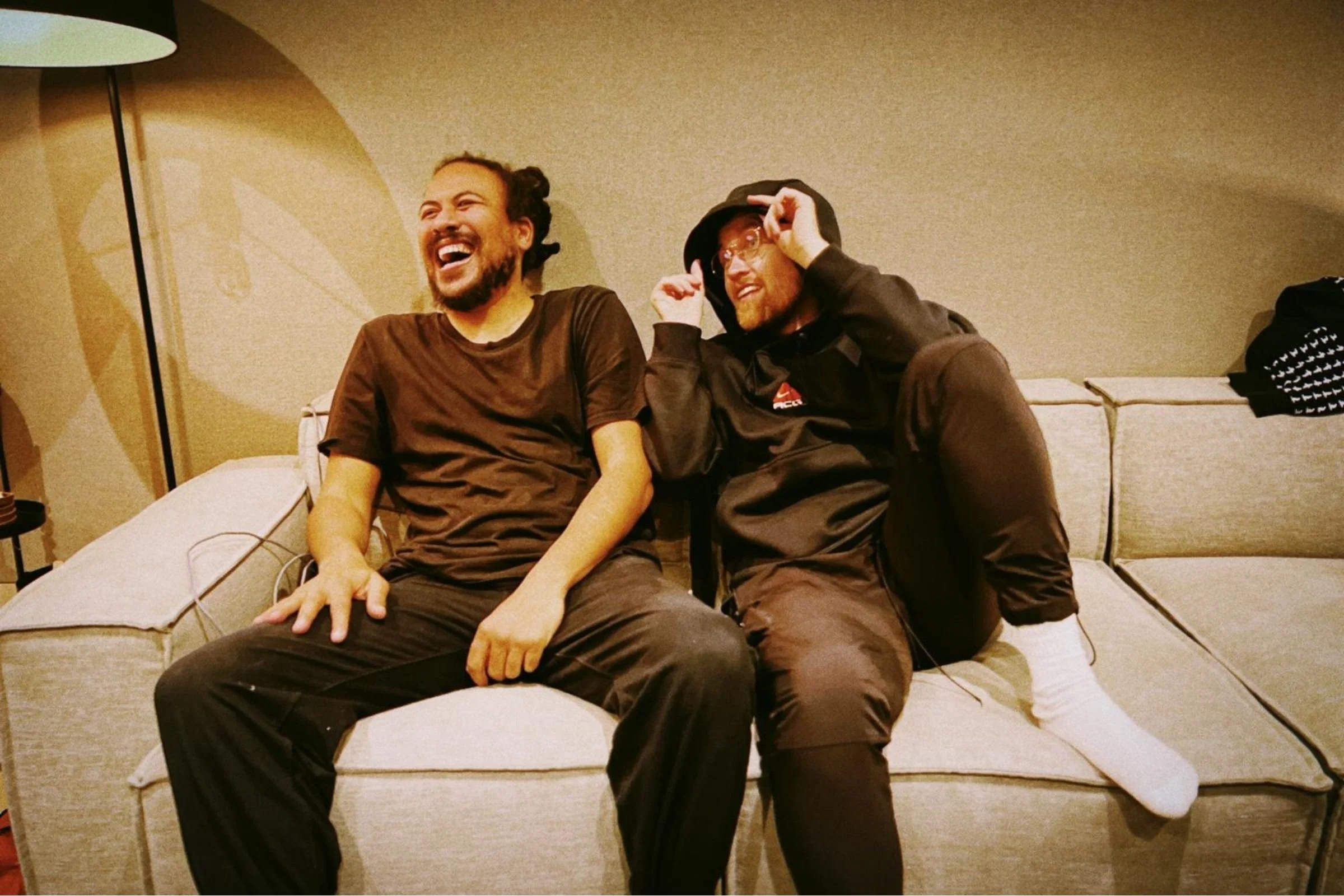
Studio session. Liam Bailey & Halogenix
What kind of stuff was being played around the house when you were young?
A really wide range. At my mum’s house it was Eurythmics, M People, Bob Marley, Phil Collins, Pink Floyd. My stepdad had this Gypsy Kings tape — Bamboléo — that we used to rinse in the car. And then with my mates it was UKG and jungle.
You’ve mentioned your older brother getting you into drum & bass — can you tell us more about that?
My older brother was instrumental. He came home one day with a Grooverider mix CD — Pure Drum & Bass. I was ten and had just started going through a rebellious phase, and that fast, aggressive music really spoke to something deep inside me. It felt like a logical progression from UKG and pop. He was also really into heavy metal, so I found myself bouncing between Slipknot, Lamb of God, and that Grooverider CD.
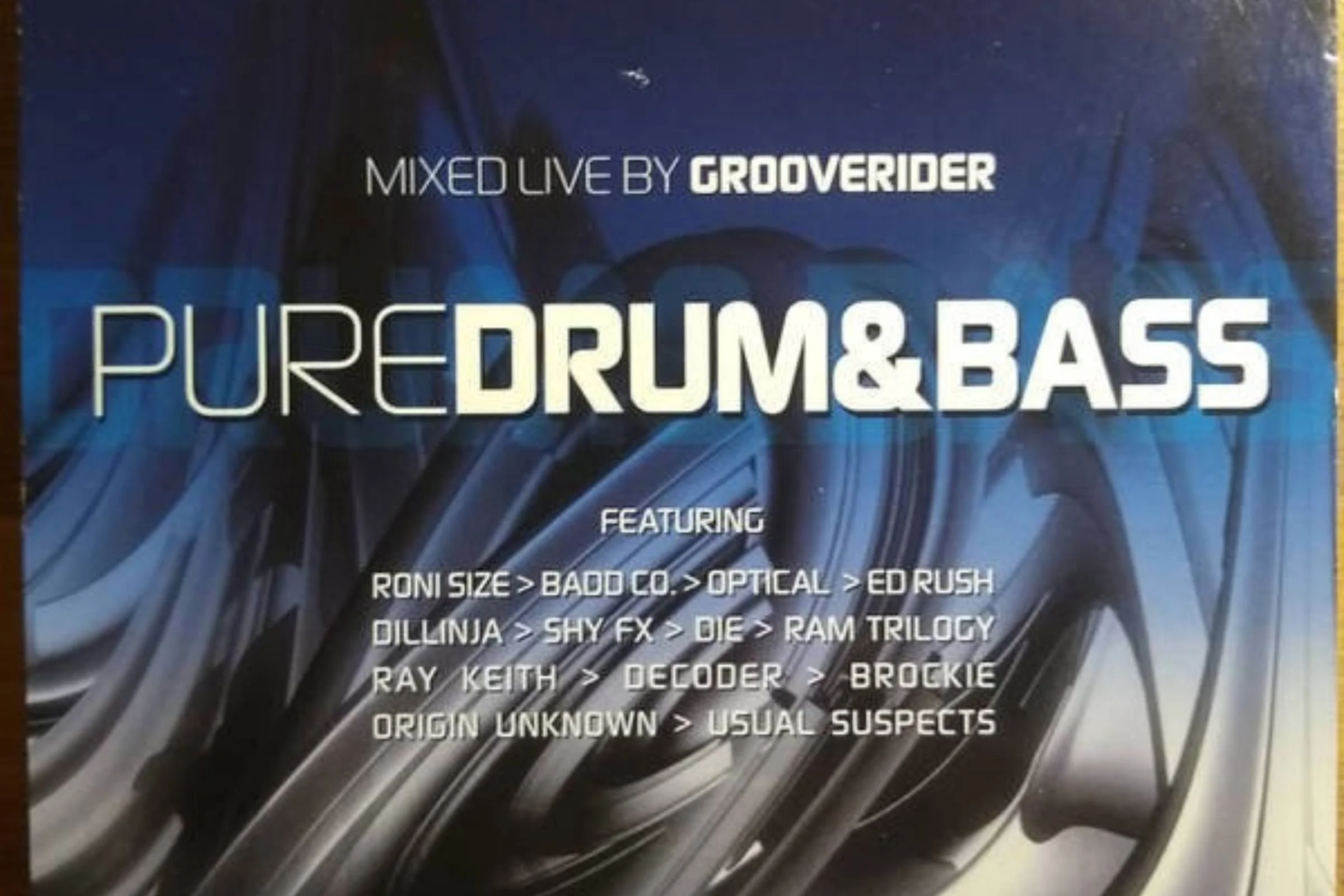
Seminal. The aforementioned Grooverider mix cd
2. Teenage Years · Pre-Internet · Early Production
When did you first sit at a computer to make music?
I must have been about fifteen. I got my first laptop — a MacBook — and it had GarageBand on it. It was basic back then but had all the essential tools. I remember making a hip-hop version of a Mozart tune. I was really into playing the Moonlight Sonata and wanted to flip it into something modern. I’d also heard the Tiësto remix of Adagio for Strings and loved how emotional it was. That idea of taking something classical and modernising it really intrigued me. I remember calling the tune “the nangest gangstafied pimpslappin’ riddim”.
After that I started experimenting with drum & bass. This was pre-YouTube and Splice, so I had to really hunt for samples. Dogs On Acid was huge for me — downloading whatever packs I could and trying to make something work. My production knowledge was non-existent, so it was mostly throwing stuff at the page and hoping for the best. A mate gave me a cracked copy of Reason, and after a few tries I figured out how to make a sound. I started making DnB around 160 BPM — most of what I’d heard up to that point was older material.
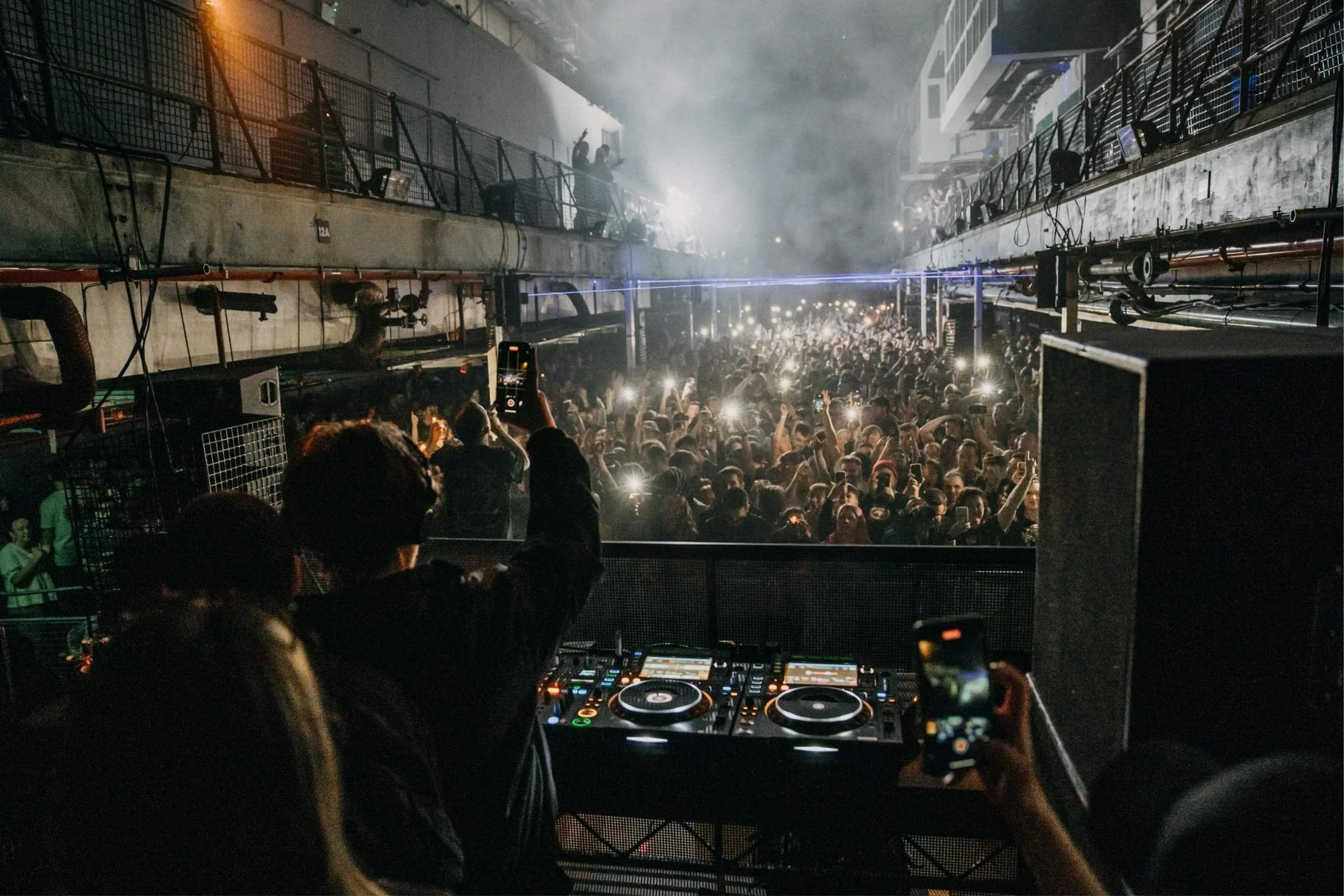
Moments. At the Printworks , London
3. Ivy Lab Era
How did Ivy Lab actually come together?
My older brother went to university in Nottingham with Sabre’s younger brother. He came home one holiday with a load of Sabre’s early demos, right when my DnB obsession was in full swing and I was getting into more soulful sounds. Those tunes really caught my attention. I got put in touch with Sabre on AIM and we had a few back-and-forths about music.
A few years later, one of my close friends Finn went to Leeds Uni and became mates with J Stray. I’d given Finn a CD of my tunes, and one day he messaged saying he’d played them to J and that he wanted to get in touch. Not long after that I got a DM from Stray on MySpace. We started chatting, became friends, and eventually linked up at my place.
At the same time, J had just done a remix for Sabre on Critical and they were already working together. I went to see Sabre play a show and met his wife at the time. She told me Sabre had been talking about my music and invited me round for dinner without telling him — which I always thought was funny. We ended up doing a session together. At that point all three of us were working together in different combinations, so it just made sense to link up properly. That’s when we wrote Oblique.
Kasra actually suggested we formalise the alliance — “Sabre, Stray & Halogenix” was a bit of a mouthful. We toyed with different names and eventually settled on Ivy Lab. The name came from the fact we wrote most of the music in my basement studio, which led out into a garden where the wall was covered in ivy. I still have the piece of paper with all the name ideas written down.
How did the studio sessions work?
Initially we were mostly together. Gove was living in Thailand, and when he came back we’d have these intense writing sessions. I’d never worked like that before — it was exciting but also stressful. Later on, we mostly wrote apart and came together to finish ideas. It worked because we were essentially a production house — three proficient producers writing under one name — which allowed for huge diversity and productivity.
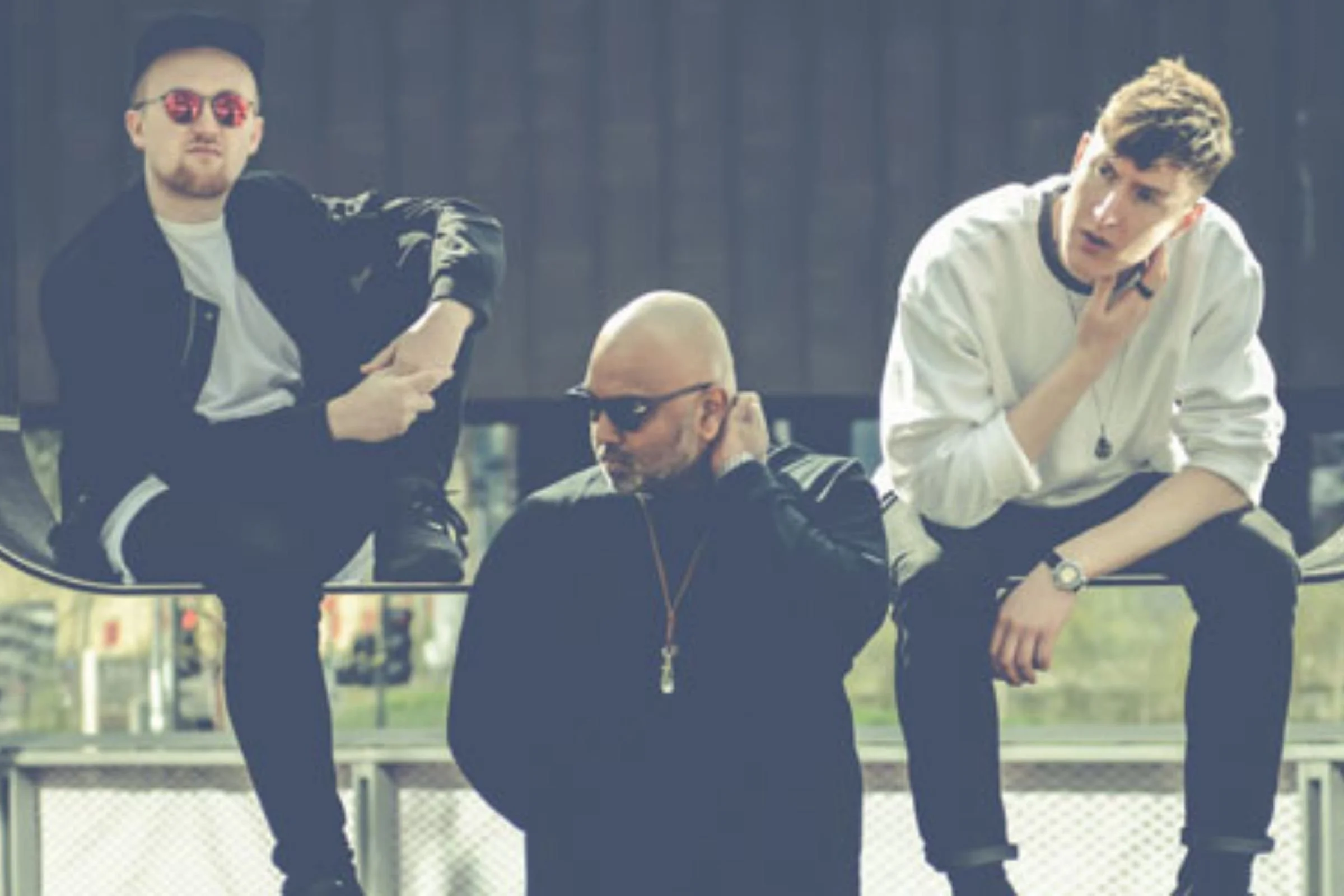
Ivy Lab
“20 Questions” has that haunting vocal — how did that come about?
That’s a sample from an old Jaguar Wright tune, The What If’s. I’d bought a load of white label promos off Discogs so I could lift acapellas — before AI stem splitting. I went down a rabbit hole buying stuff produced by Bilal and eventually found the Jaguar Wright promo. I’d already written the instrumental and that vocal just worked perfectly. I still have the vinyl somewhere. It was meant to be part of our Bootlegs from the Lab series but ended up becoming an Ivy Lab release.
You were experimenting with halftime and genre-shifts — how did crowds react?
People were actually more resistant back then. Dubstep had tanked due to the US sound shift, so people were vocal about not wanting to hear anything but DnB. I remember playing Room 1 at Fabric for a Critical night — we’d just written Sunday Crunk. Someone literally shouted “Stop playing dubstep!” from the booth. We laughed it off and carried on. It took time, but confidence helped people come along with us. Now it’s expected that DJs cross genres, which is great — I don’t really want to hear a whole set of one sound anyway.
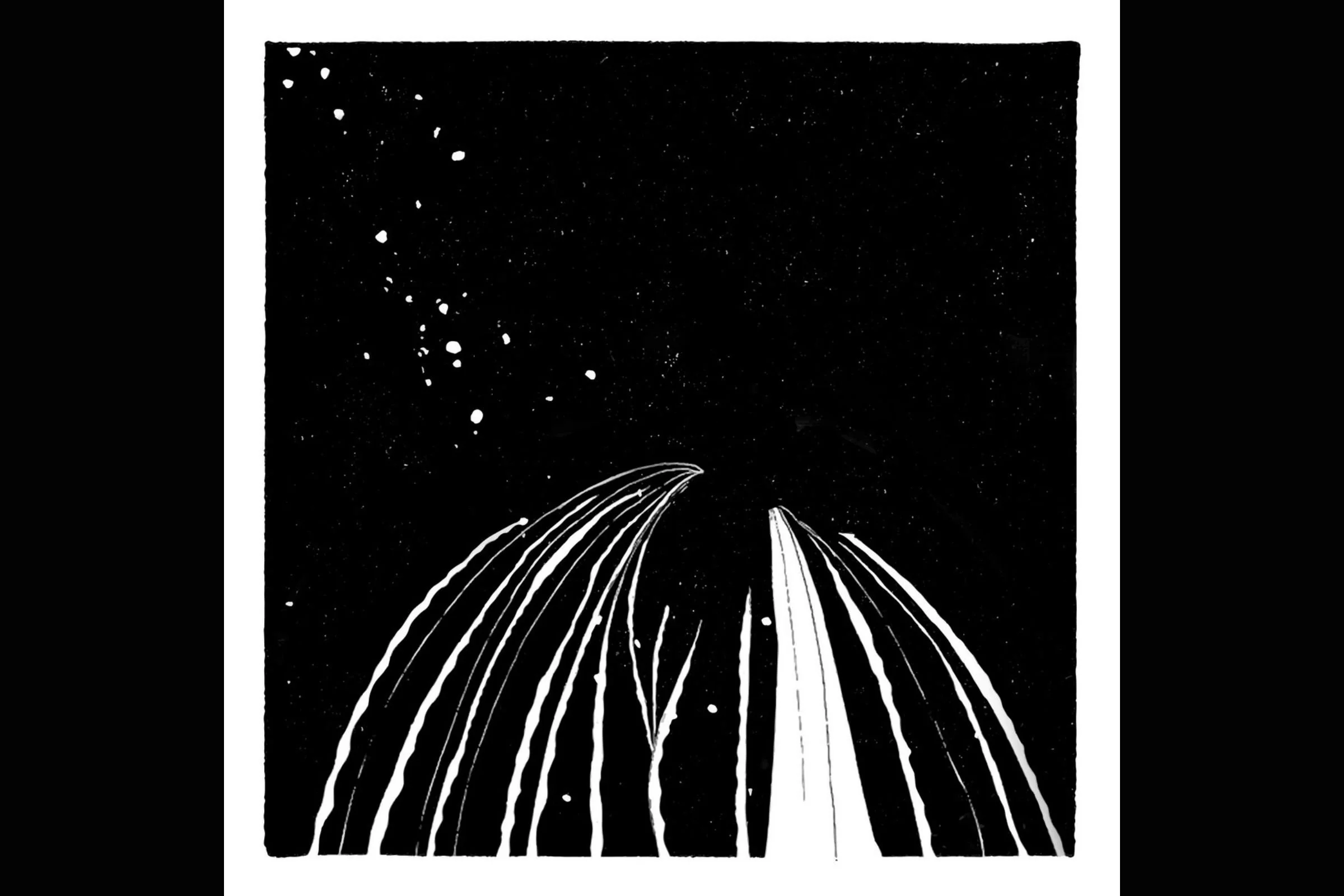
The ‘20 questions’ ep - original artwork
What made you step away from Ivy Lab?
That period of my life was incredibly chaotic. I’d just got married, Ivy Lab had taken off, we were touring constantly and making good money. As the lesser-known member of the trio, I felt a huge need to prove myself. I went from being unknown to sudden stardom — Glastonbury, Sonar, US tours, awards. It was exciting but physically and mentally draining. Being in a trio requires complete synergy, and eventually it became clear my vision wasn’t aligned with the others. I suffered a serious emotional breakdown in 2017 and realised my health and family had to come first. There’s no blame — just timing, pressure, and different creative directions.
How did UK crowds compare to the US beat scene?
Completely different. Our first US trio show was at Emissions Festival in Northern California. We turned up expecting people like us and instead discovered full-blown Wook culture — tie-dye, crystals, sage burning — but with trap and dubstep blasting. It was amazing. That trip really marked the start of our journey into that world.
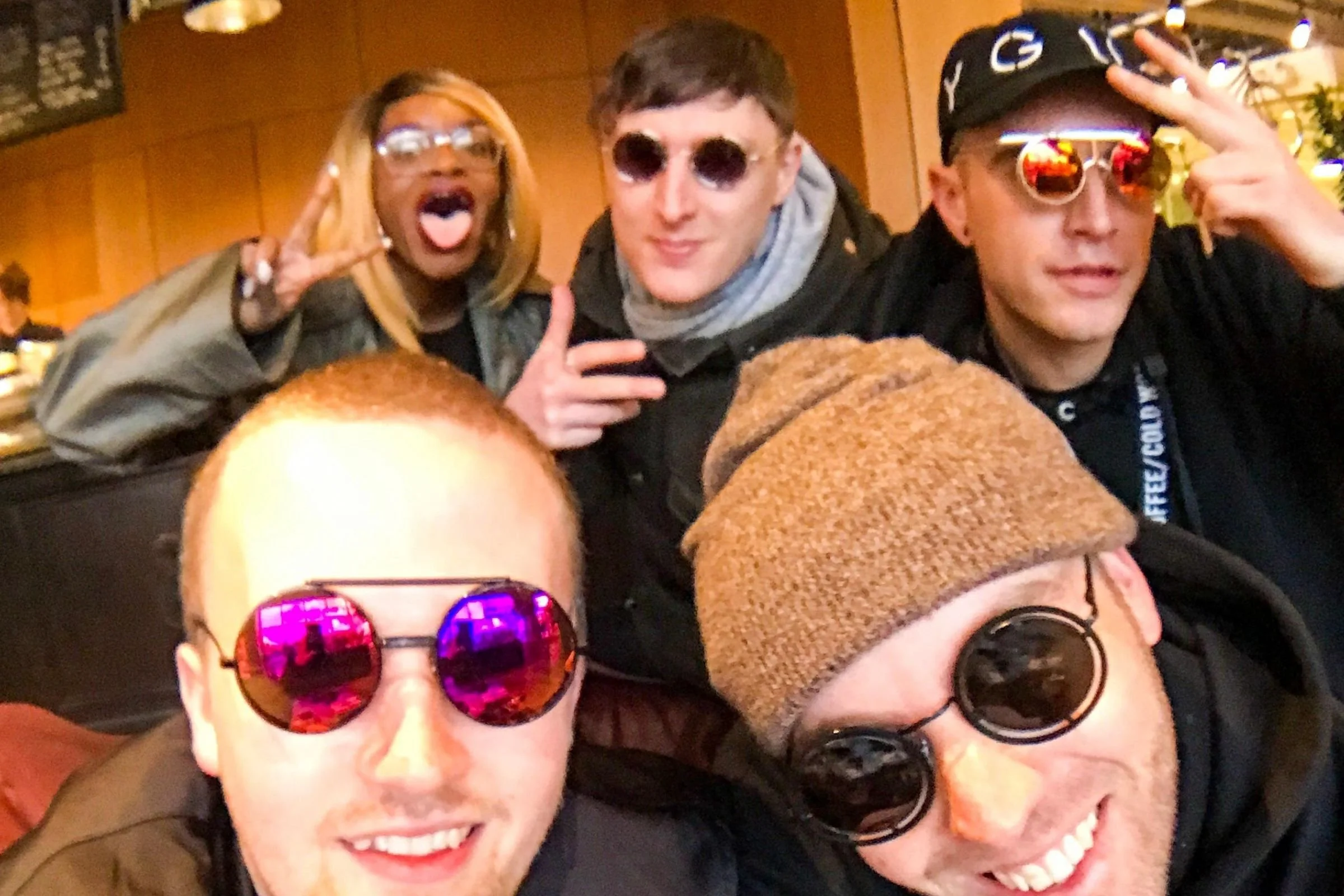
Moments in time
4. Solo Work · Gemini Gemini · Apple
Did going solo feel like a reset?
Honestly, no. Even during Ivy Lab I could hear my imprint on the catalogue. I’ve always evolved — I don’t like treading old ground. After Blej blew up, the last thing I wanted was to repeat that sound. From a marketing perspective it’s not ideal, but that’s never interested me. My relationship with music comes from wanting to be heard emotionally — once that’s satisfied, I move on.
What is Gemini Gemini?
I’m a Gemini, for starters. I always tie something personal into what I do. Gemini represents duality — light and dark, joy and pain. That diversity and emotional range is what I love in my music, so the name felt right.
Why open the night with people playing their own tunes?
It’s about giving back. It’s inspired by old CDR parties where people could bring their music and hear it on a proper system. Hearing my tune in a club for the first time was life-changing, and I want others to experience that. If demos come out of it, great — but that’s secondary.
How did Apple come into your life?
A friend’s music tech company was acquired by Apple and he asked if I wanted to join. The timing was perfect — COVID, a young son, uncertainty around gigs. I started writing music for internal projects and gradually expanded my role. Now I work full-time as a product developer within Shazam R&D. It still blows my mind sometimes.
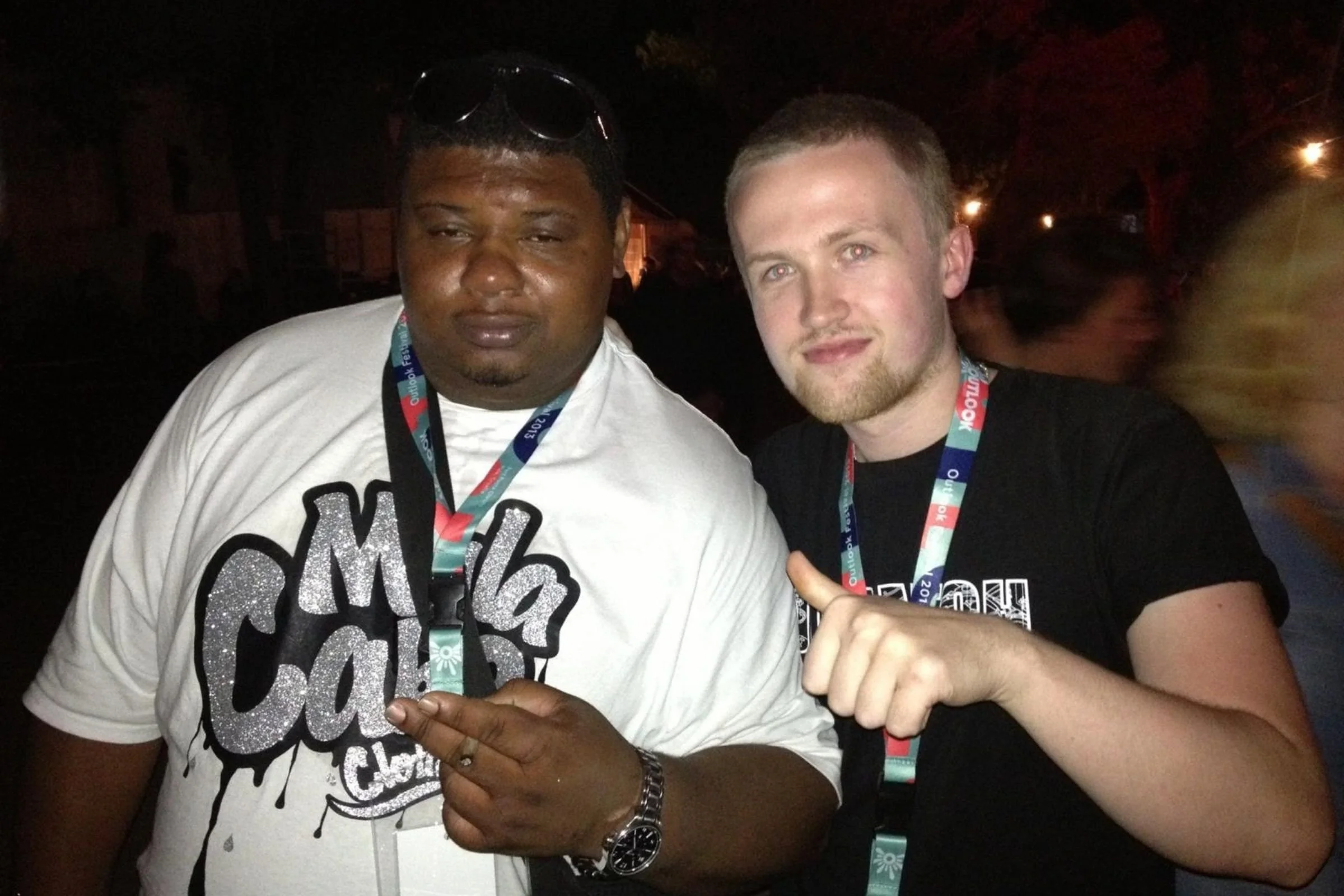
Big Narstie x Halogenix
5. Life · Journeys · New Zealand · Beyond
What stands out about New Zealand?
It’s almost spiritual for me. I really yearn to be around nature and Queenstown calms me deeply. Even after visiting multiple times, I always experience something new. It was also a chance to bond beyond music and performance.
And the deer?
Unreal. It jumped out in front of the car, froze, then disappeared back into the woods.
What’s keeping you curious now?
Musically, blending R&B with drum & bass. I’m working with writers pulling from 70s and 80s soul. Family is a huge motivator — being someone my son can be proud of. Outside music, Formula 1 fascinates me — how athletes block out noise and perform under pressure. I’ve taken a lot from that mindset recently.
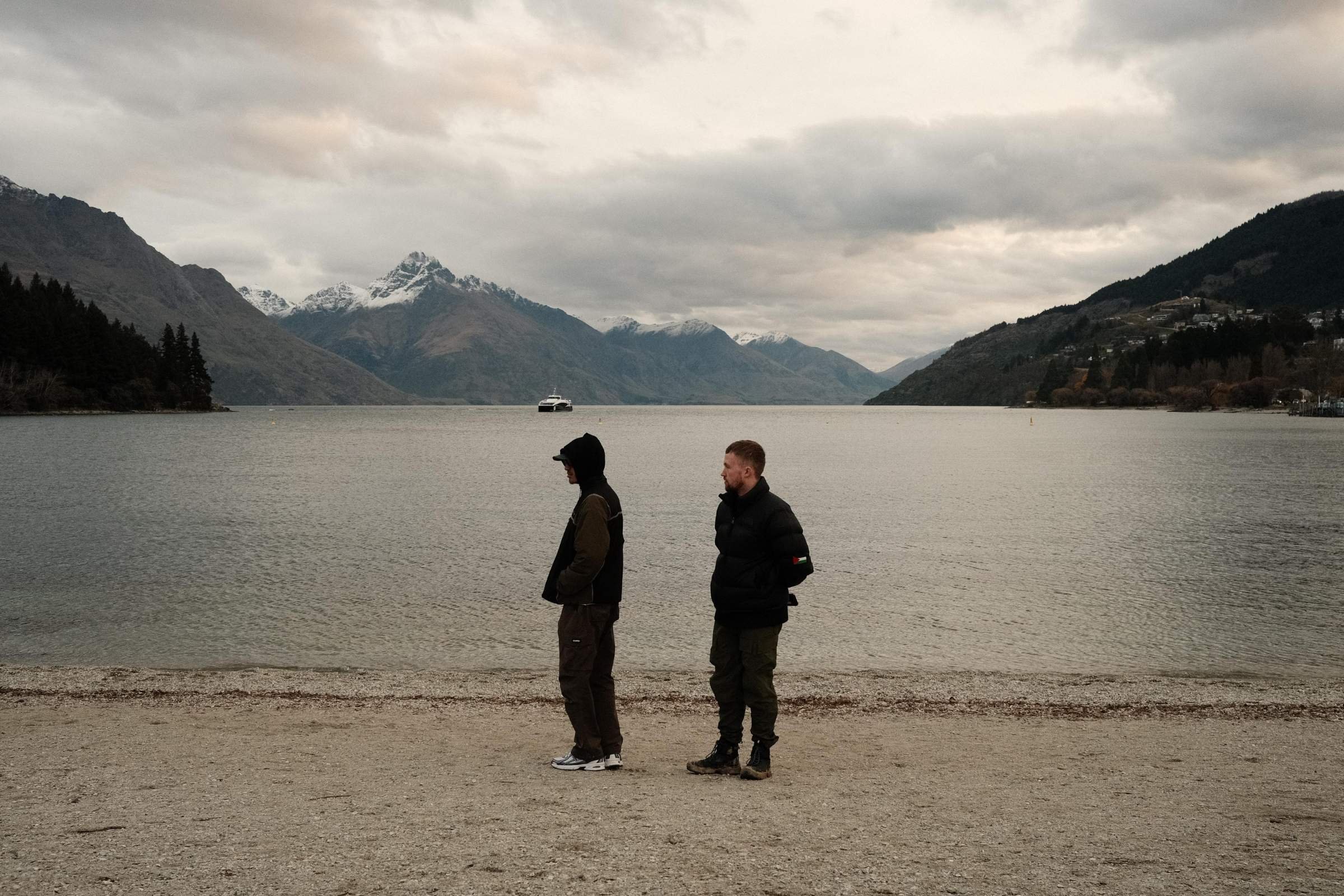
Halogenix & Strategy in New Zealand
This conversation forms part of Conduct’s ongoing documentation of artists building long-term, sustainable lives in music.
