Formed in Toulouse in 2017, Visages brought together four producers with different musical backgrounds and a shared interest in electronic music. What began as informal studio sessions developed into a collective whose productions would eventually take them far beyond their home city.
Their connection with 1985 Music began through collaborations with Monty and Hyroglifics, with those early releases opening the door to further projects on the label and an ongoing creative partnership with Alix Perez.
Since then, Visages have built a catalogue that moves between drum & bass and 140, including their debut album Amor Fati, released on 1985 Music in 2025. Their different musical influences have helped shape an approach that moves freely between styles.
For part two of Conduct's series marking a decade of 1985 Music, we speak with Visages about their beginnings in Toulouse, their introduction to the UK bass music scene, the creative process behind their releases and their place within the wider 1985 collective.
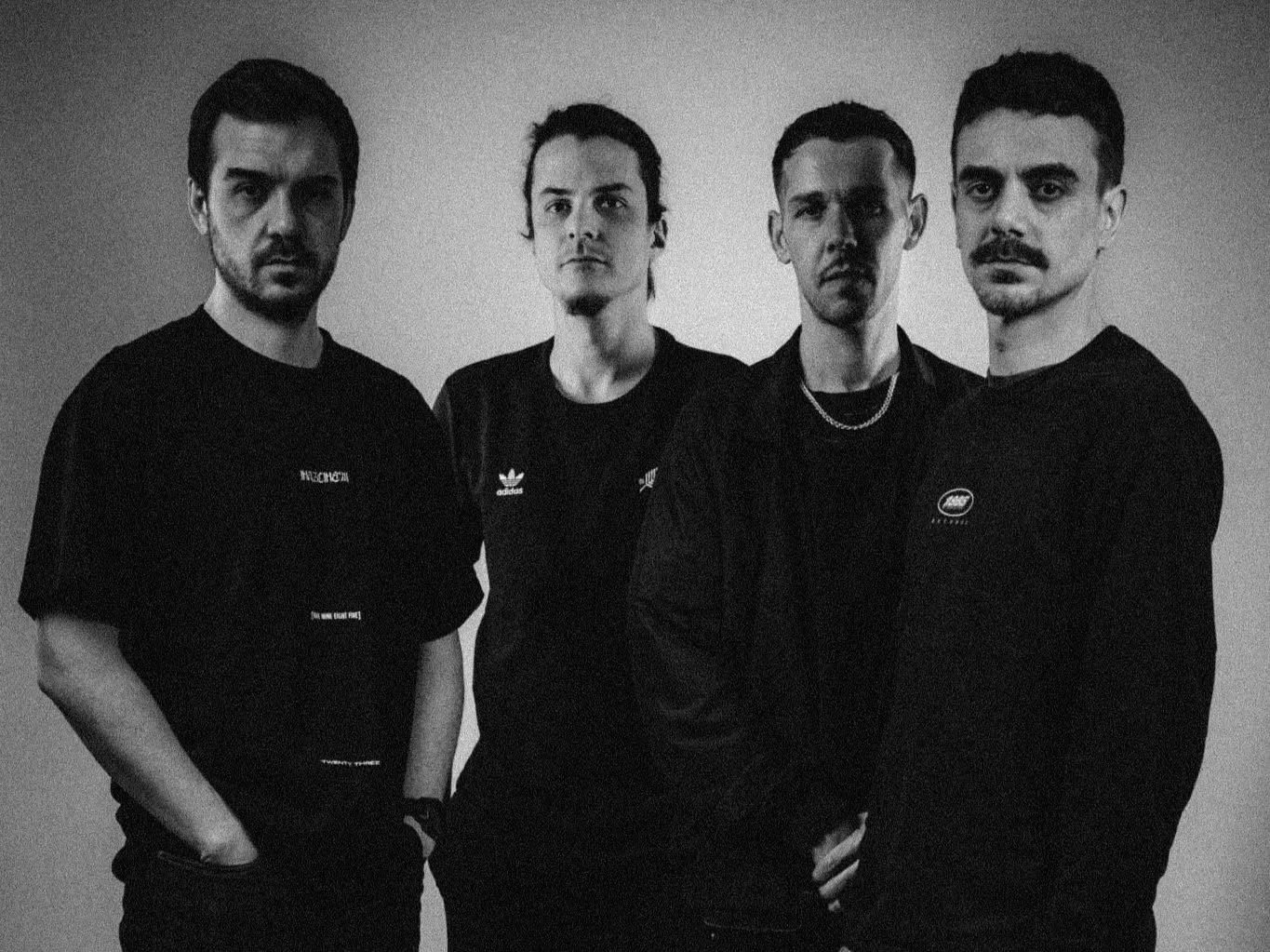
Take us back to the beginning of Visages. How did the four of you first come together, and what was the musical spark that made you realise you should be making music as a collective rather than individually?
Valentin and Etienne were already working on solo music projects. We met Kevin and Tom through event organizing, thanks to Jordane we helped her run the DUSK DNB nights in Toulouse. At first, we were just making music sessions for fun. Then we thought it made sense to start a group. Originally it was supposed to be just Tom, Etienne, and Kevin, and then Val asked to join we naturally said yes. And luckily we did, otherwise we probably would've done anything and everything (laughs). The main goal back then and still now is to enjoy ourselves and make music for fun. Even though for Val and Etienne it was always meant to be professional, that sense of enjoyment has always been essential. We're more a group of friends making music as a collective than a traditional band.
Before electronic music and bass culture entered the picture, what were the sounds that shaped your early musical tastes?
Valentin and Etienne are complete opposites. Etienne was the skater listening to rock/punk/metal, while Valentin was the football player into French rap. But it's often in those differences that you find the best ideas. We've managed to combine both our worlds.
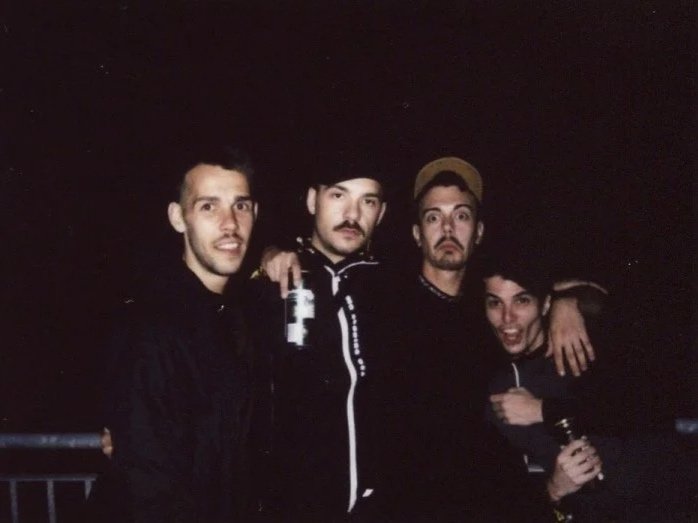
How did your paths first cross with Alix Perez and the world around 1985 Music?
We've followed the 1985 Music label since it started because we've been big fans of Alix's music for a long time. The first time we got connected with him was through Monty and Hyroglifics — we collaborated with them and those tracks got signed to 1985 Music.
We met him soon after when Shades played at Le Bikini in Toulouse. We introduced ourselves and instantly clicked, we laughed a lot.
When the possibility of working with the label first appeared, did it feel like a natural home for your music, or was there a moment where you had to think about whether it was the right fit?
We were extremely happy. We didn't make music specifically to sign to 1985, but deep down, if there was one label we'd choose, it would've been them — their music and values really match ours. For us, the human connection is the most important thing, and everything felt natural with Alix. He quickly asked us to produce an EP for the label, and things moved fast after that.
Once you became part of the 1985 family, what opportunities or experiences opened up that might not have happened otherwise?
It opened every possible door — playing big festivals, legendary clubs, meeting loads of artists… We entered the UK bass music scene as French newcomers, which is a real honor for us. Alix also gives us a lot of artistic freedom and supports us heavily, which is a luxury in music.
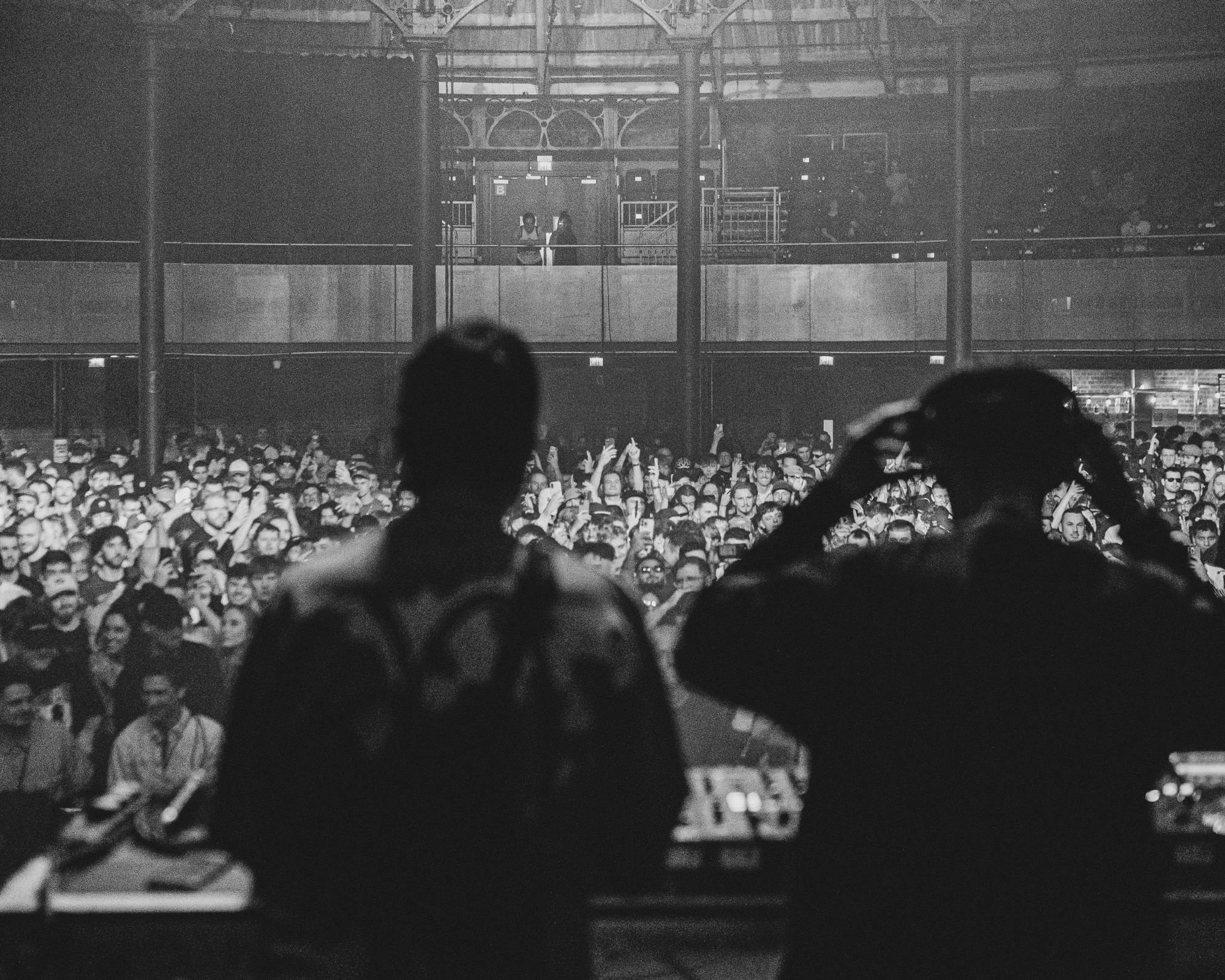
1985 has grown into a genuinely international community of artists and listeners. How does it feel to be part of something that connects scenes and audiences across different countries?
It's a real honor. We fully align with the 1985 identity — staying underground, off the beaten path, and being forward-thinking in bass music. There's also a strong sense of community: when you go to 1985 events and see how many people wear the merch and know every track by heart, it's very inclusive and impressive.
Being a French group working within a scene that has strong roots in the UK bass music tradition is interesting. Do you feel your background in France influences the way you approach rhythm, sound design or production?
Yes, but in an unconscious way — we're influenced by everything we listen to individually. There's also a "downside" to being French: we don't have easy access to UK culture. For example, if we want to collaborate with a UK artist in a studio, we have to fly, take trains, rent a studio, etc. If we lived in London, we probably would've done way more collaborations. Online collabs work, but they lack the human side — being in a studio together makes everything flow more naturally.
Your music often sits between multiple tempos and styles — drum & bass, halftime and 140. Is that fluidity something that happens naturally in the studio, or is it a conscious decision to push outside genre boundaries?
A mix of both. We get bored easily doing the same thing at the same tempo, so switching it up keeps things fresh. We also listen to very different music individually, so naturally we make different kinds of tracks. There's a strategic side too; it helps us stand out. There are so many great producers now that doing the same thing as everyone else doesn't interest us. Also, with the label, we have real freedom to explore different styles. We've sent tracks thinking they'd never get accepted and Alix ended up picking them.
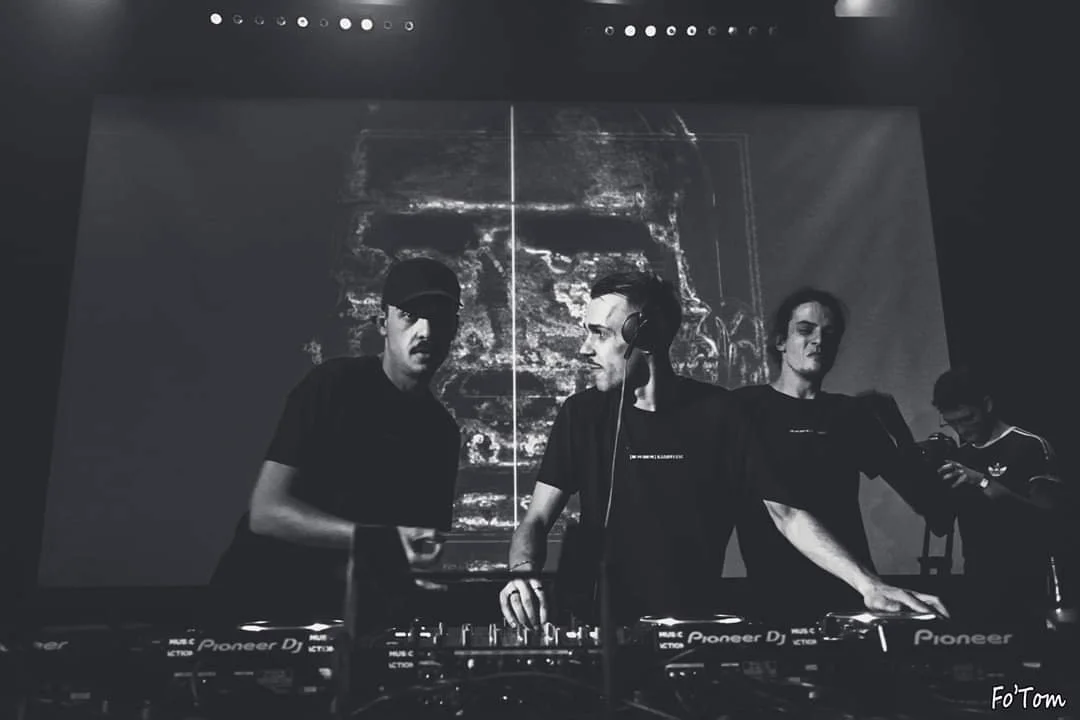
Tracks like "Lunar Eclipse" move between tempos in a way that feels very intentional. Where did the idea come from to begin the track in a drum & bass space and transition into 140 BPM?
From the start, we like making second drops different from the first. We still think about someone actually listening to a full track — which is becoming rare nowadays with TikTok and everything (laughs). Val built the idea for Lunar Eclipse, but we found it a bit boring without an MC. Alix suggested Strategy, and Val came up with switching the second drop to 140 BPM, it was pretty straightforward, and Strategy absolutely nailed it. Honestly, 80% of the track is thanks to him. Then the label's former manager Amy suggested doing two versions: 174 to 140, and 140 to 174. It's a great tool for DJs; it lets them switch tempos in their sets. That was a really great idea.
Working as a group of producers must create a very different studio dynamic compared to working alone. How do you divide responsibilities when making music together?
At the beginning, when the four of us were in the studio, one person would be at the computer working on an idea while the others waited and gave input. That went on for about a year and a half. We were just having fun, cooking good food, having drinks, hanging out… At one point we even made a rule: everyone had 15 minutes on the computer to put their idea down. Now things have evolved. Tom and Kevin both have full-time jobs they enjoy. Today the dynamic is different, we still hang out and have good times, but Valentin mainly handles the music production.
What are the advantages — and challenges — of making music as a collective?
The advantages are also the drawbacks. It can get frustrating, four different brains with different ideas can confuse whoever is working on the track. But at the same time, it gives four different perspectives on music.
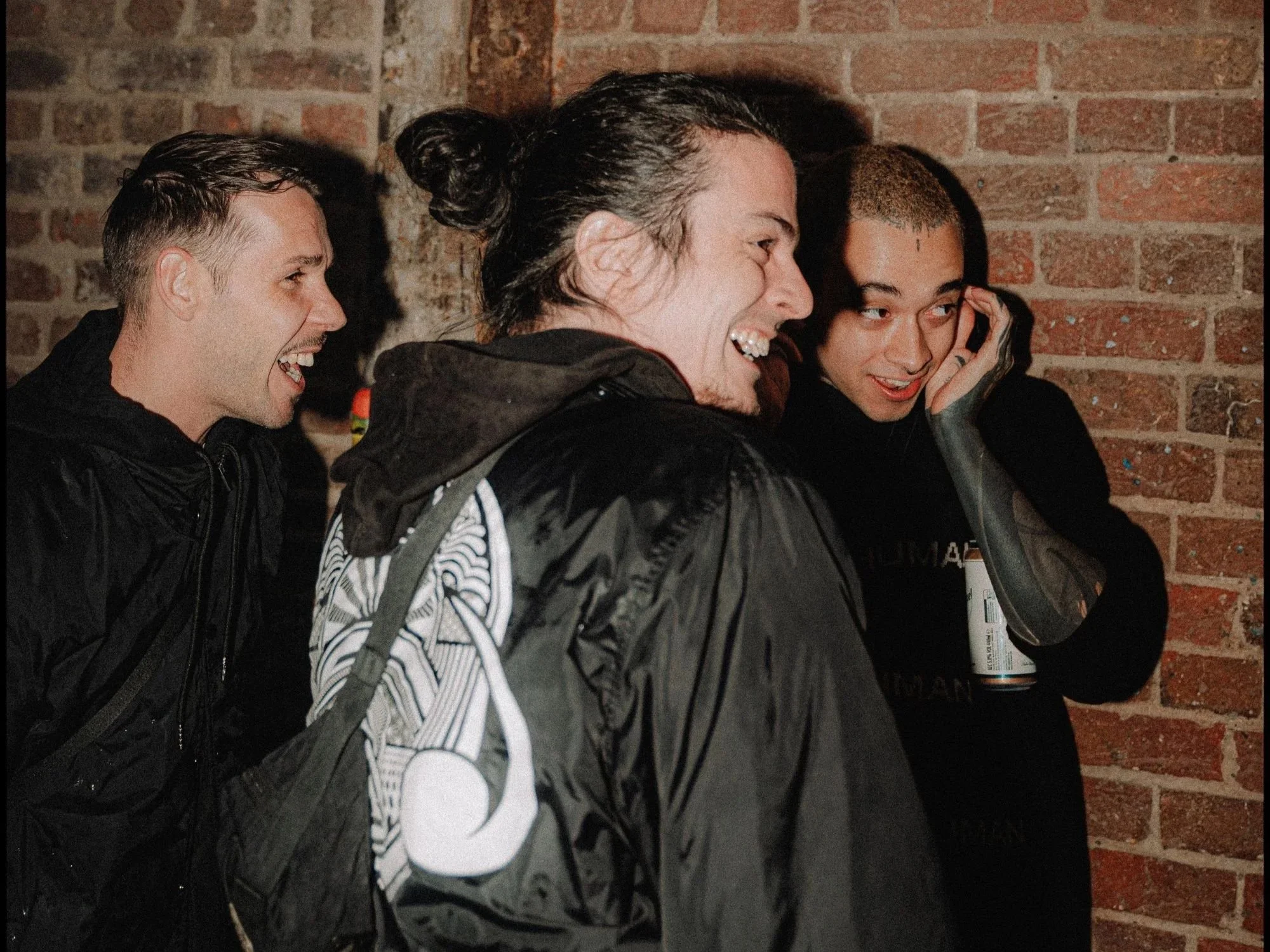
Every group has its disagreements. Without getting anyone in trouble, what are the biggest creative arguments that tend to happen in the Visages studio?
We've never argued. We're all different, but we know each other well, we listen, and we communicate, that's what matters most. That said, Val can be a pain (laughs). More seriously, he has a very specific vision of music and has always led the production and artistic direction of the project. He says it himself, he's not the best musician technically, but he has a great ear and knows how to convey emotion through art. But making music together can sometimes make it hard to focus, we can quickly end up making nonsense. We've actually never been as productive as when working separately (laughs). Still, it's great we have good times together. Like a French rapper once said: "If you're in the studio like you're in a factory, Babylon has won."
When you look back over your releases with 1985 so far, is there a particular track or project that feels like a turning point for the group?
Lunar Eclipse, Hardware (being on FIFA was incredible) obviously, but also Vibin' and the About You EP. That was our first EP, included the title track with a vocalist and loved it from the start. It had different styles, rollers, soulful vibes… Also the Dark Guru EP. In the drum & bass scene, apart from Alix Perez, no one was really producing dubstep alongside drum & bass. We've always loved both equally, along with all branches of UK bass music. Back then, you were either a drum & bass producer or a dubstep producer, not both.
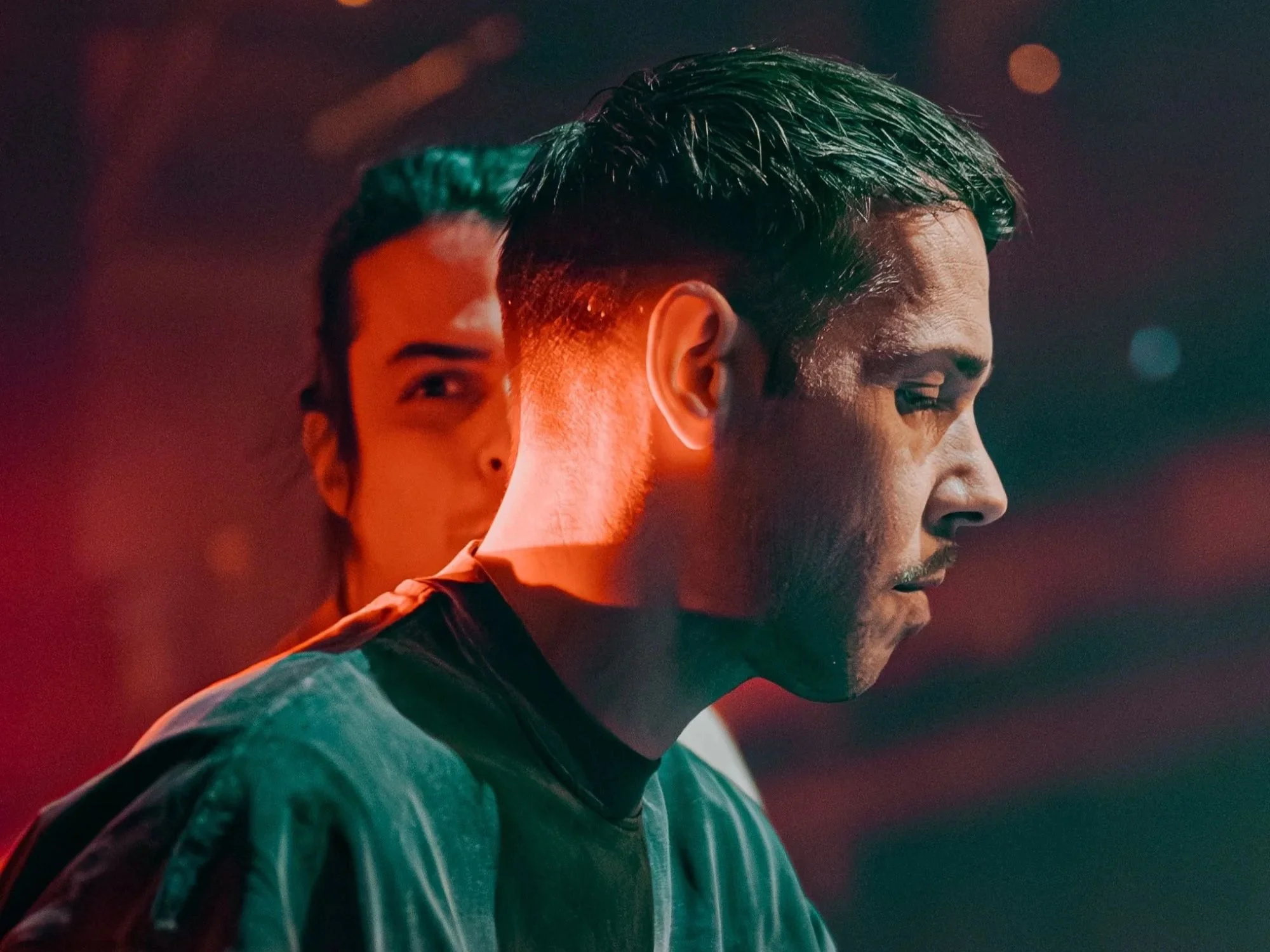
Outside of the studio, how would you describe the personal dynamic between the four of you? Has making music together strengthened those friendships over time?
We just spend time together, chilling in an apartment watching dumb videos, going out for food, having drinks, telling jokes… honestly, that's all we do (laughs). We're just a group of friends. Anyone who's seen us together can confirm — we laugh a lot, and that's the foundation of our friendship.
Looking at the wider electronic music landscape today, where do you feel Visages sit within it?
We feel a bit on the side, mainly because we're not very active on social media. We hate the idea of doing what everyone else does. Maybe it's ego, maybe it's because we're French, we don't have many close friends in the scene since it's mainly UK-based, but we do have really good connections. Again, building friendships online only goes so far, it's way more effective face-to-face. We stay in our bubble and make our music. We don't release a lot, but when we do, we try to do it right. We want to create something timeless, music that still feels relevant in 2, 5, or 15 years. We're trying to contribute to the UK movement while respecting its culture. It's very important to us, and we keep learning every day. It's quite different from France, where you have free parties playing hardcore, or clubs mostly focused on house and techno.
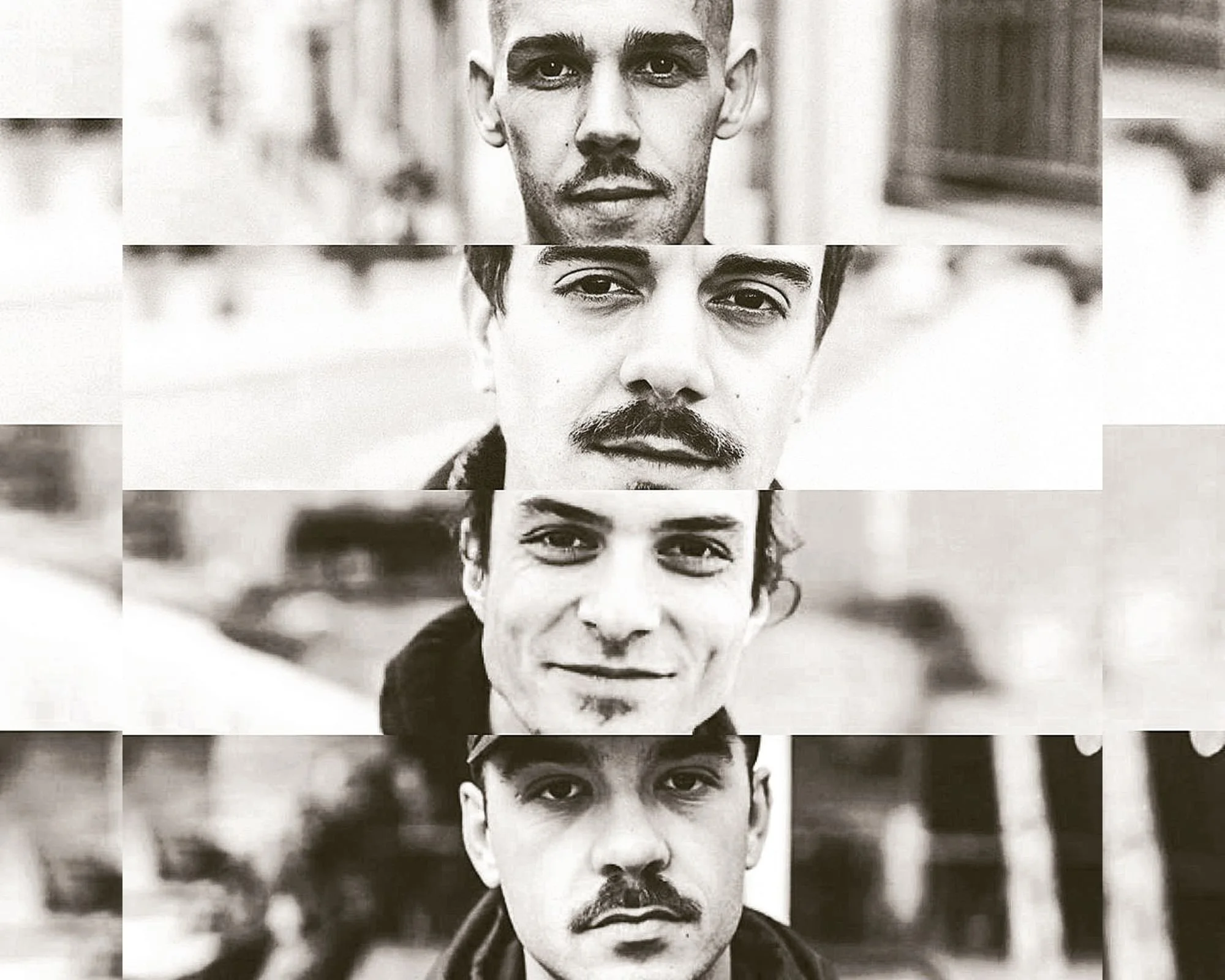
As 1985 moves into its second decade, what excites you most about the future, both for the label and for Visages as a project?
We fully trust the 1985 label and Alix Perez. Communication with him is easy, it's become more than just professional, it's a real human relationship and friendship. On our side, we just want to keep making music, stay off the beaten path, and create something that truly moves people. Not following trends, and staying authentic.
This interview forms part of A Decade of 1985 Music, a three-part Conduct series exploring the artists, music and creative vision behind the label.
Read Part One: Without Compromise, featuring conversations with artists from across the 1985 roster, and look out for Part Three: Alix Perez – By Design, bringing the series to a close with the label's founder.
