Between Tehran and South London: A Conversation with Salman Khosroo
I first came across Salman Khosroo through his work, but it did not take long to realise how central music had become to how he thinks about art. What really drew me in was how naturally his thinking connected UK sound, underground culture, and his life experiences, without ever trying to force those links.
Early on in our conversation, Salman brought up my track Blue Mile.
"It is kind of funny how it reminds me of my experience in the UK. When you say 'gotta say sorry for the inconvenience', it reminds me of the social norms and British manners, but at the same time it is also very cynical. Like who is doing the apologising? There is a kind of 'man wanted to flex, but something came up' vibe about it. It is funny, like flexing is an inconvenience. And when you say 'thoughts like this don't come around much', it really hits me. It is rapping that is not targeted at anything. It is introspective, but not too serious or emotional."
Hearing my own work reflected back from an artist I have admired for a long time showed me how much we have in common as creatives.
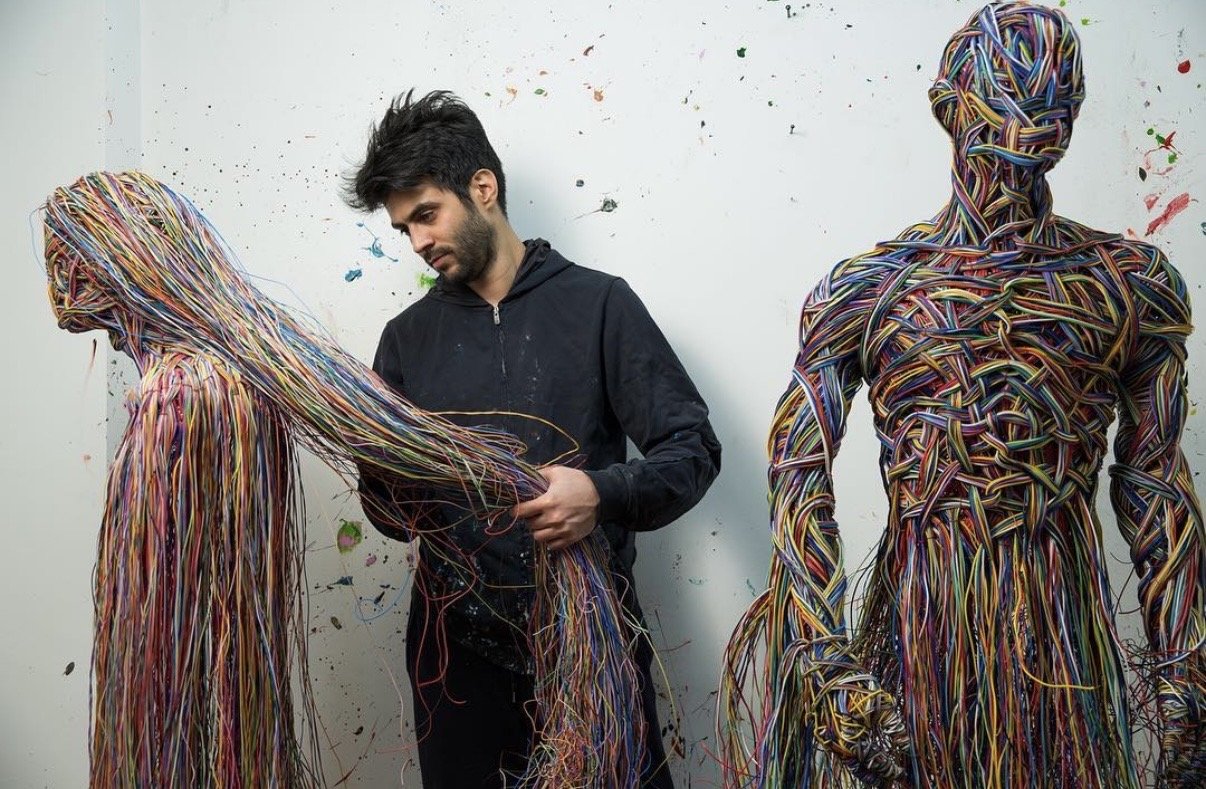
MUSIC INSPIRATION
I have admired your work for a long time, so I was surprised and happy to hear you already knew my music. Who is inspiring you musically right now and does that energy ever spill into your work at all?
I have been listening to a lot of dubstep and UK sounds, a lot of grime and UK rap. I am enjoying record labels like Duploc and Hyperdub. I am discovering early dubstep and its recent revival, getting to know the original Jamaican roots and sound system cultures. Really fascinated by how different cultures interpret this music, rapping in different languages and accents, and how language affects the way music is made and heard.
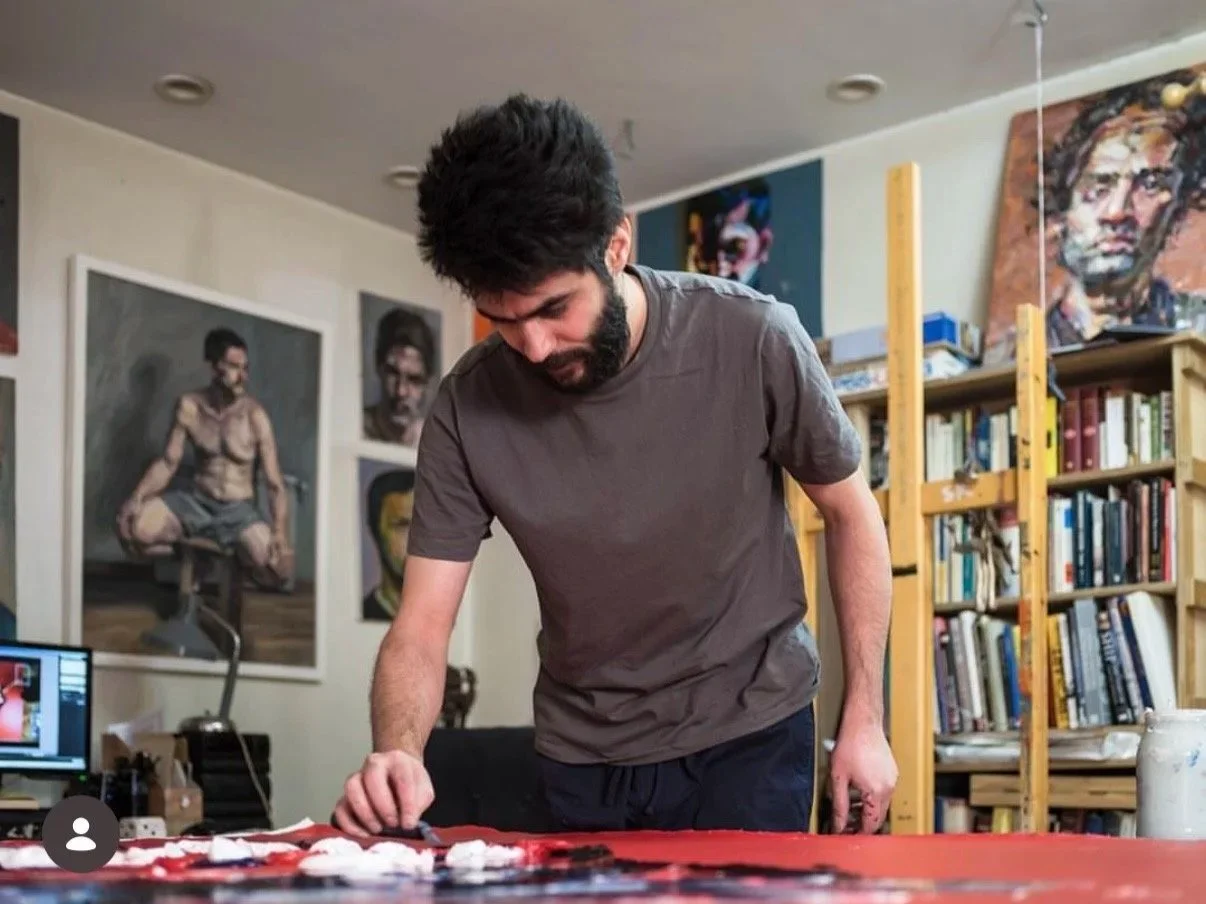
ROOTS
Did your time at Goldsmiths in South London connect you more deeply with UK sounds, or were you already tapped in? Do you listen to music while you work and if so, does it influence the mood of what you make?
Actually, I really got into UK sounds a few years after I returned from the UK. I was a casual music listener and music was absent for long stretches of my life, preferring audiobooks while working long hours on my art. Now it is a completely different story, I am loading these huge playlists while working. Besides the sensory experience of music, there is a social and cultural aspect that is becoming more important to me. As art making and painting are generally solitary acts, listening to music keeps me connected spiritually to my community, not just locally but also connected to the makers of the sounds and their communities, continents away.
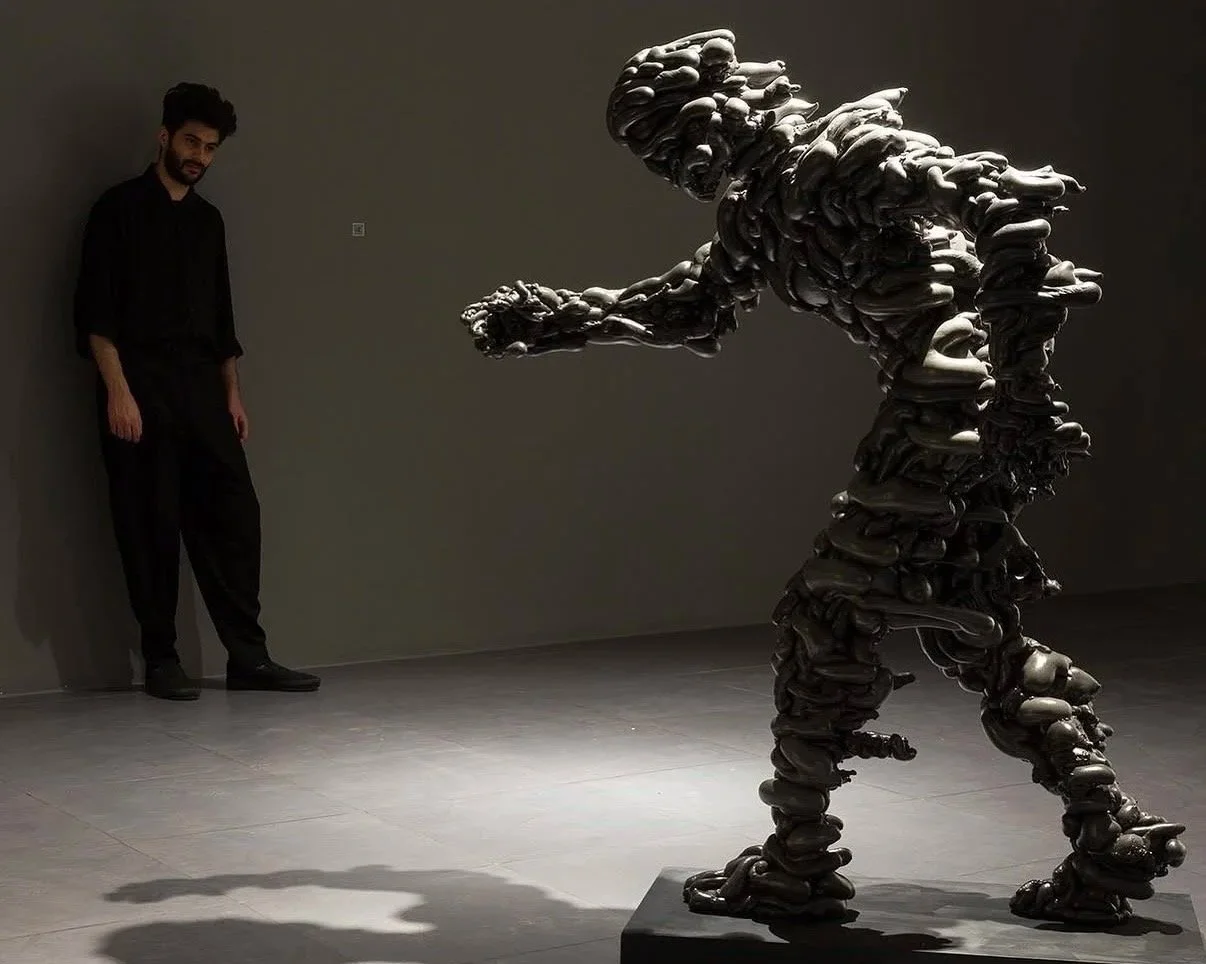
I was always a visual listener, but this never really affected my art until recently. I am starting to come up with ways of expressing visually what I experience in music. I am really tuned into sound patterns and how they are distributed in space, it is these same creative geometries that you see in art. Some kinds of music are more visual than others. For example, bass music is very sculptural. Bass sounds really make these huge fat volumetric shapes, temporary and moving fast. My art deals with the physicality of the human experience and some sounds really hit the body in intense ways, invoking movement and interaction at a much higher force and tempo compared to art.
TEHRAN, NEW YORK, SOUTH LONDON
You have lived in three completely different worlds. What is the real difference in vibe, culture and music between those places from your experience?
I was in New York as a child, it definitely influenced me, but I am going to focus on my Tehran and London experience. I have lived in a couple of different cities but I keep choosing Tehran, not because it is better, but because of the shared experience and traumas of the communities I am part of. It is the most meaningful for me, really inspires and invokes my sense of purpose.
Tehran is a place in limbo, mismanaged, going through multiple transitions, terminally ill and suffering from identity crisis. This is fertile ground for all kinds of art. The closed society forces most cultural activity underground, creating one of the most robust and real underground movements. I really love the underground. Even if everything starts to open up, I am still going to stay down here.
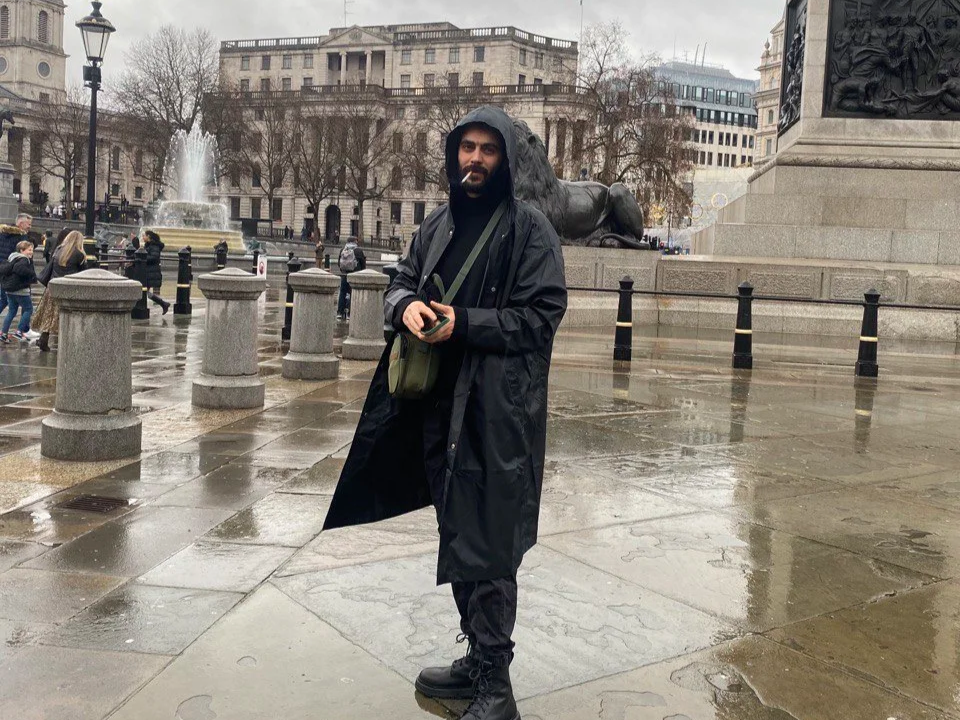
My experience of living in South London was very influential in ways that I keep realising years later. South London was very different from what I expected the UK to be, but I realised it is closer to what the UK actually is. I lived in Peckham, and walking down Peckham Rye Lane is a fond memory. The first thing that hit me was the smells. These were really strong and many I had not smelled before, so I started trying these spices and foods. It was really eye-opening, seeing these peoples, their cultures, their music and also their plight. In the UK I realised that the plight of my people back home was just average. I also realised that we share many similar grievances globally and are subject to the same kinds of prejudice when looking at the bigger picture.
THE SOUND
Did your love for bass music begin in London, or was it rooted earlier? Was there a moment, a gig, a club, a sound, that made you feel this is my world?
The funny thing is, it was right next to me, but I did not really engage in it, though I was definitely exposed to it. It took a few years until I truly discovered UK sounds back in Tehran. There was this moment where I connected my experience of the UK to this music I was listening to. I had experienced the culture and the context, and now these sounds really started clicking. It was like I knew where it was coming from and it made sense to my current mood in Tehran.
After the pandemic Tehran's underground music scene really took off. Music was one thing, but the community was more important. Music just became the pivot of social activity. Once I found my new studio, there was a little basement room hidden deep under the house. I could acoustically isolate this room and a friend suggested we make some speakers. This turned me into an audiophile. I started tweaking the acoustics and tinkering with the electronics. It was this room that actually opened my ears to this music. I could hear the layers and the bass I never realised was there.
I started to understand musical structures. I realised I was dancing mostly to 2-step music, non 4/4, broken beats and creative rhythms. 4/4 music is kind of boring to me, it gives me a sense of steady predictable movement. With dubstep there are much more creative structures and most are happening at the low end. The beats are syncopated and wound up, there is a sense of insecurity with what will happen next. It is like the music is presenting a dilemma but never resolving it. There is a hint, a promise, but it is never fulfilled. Once you get that the point was never to solve the problem, but to leave your emotions in a suspended state, it starts to become meaningful. This is exactly my state of mind, the circumstances that living in Tehran invoke. Finding music from across the globe that accurately expresses your predicament goes to show how much we share in the same experiences.
GOLDSMITHS
What was Goldsmiths like day-to-day for you? Did it feel competitive, inspiring, chaotic, freeing?
It was a unique experience, but left much to be desired. The conditions there were very poor, but I did have some very interesting conversations and the research was inspiring. I learned that the issues that were at the centre of western artistic endeavour are very different to my own issues. I felt we are in different places culturally. Painting for example is a medium with a thick western history and a lot of baggage, it felt dead and oppressive to many of the western students. For me however, and in Iran generally, painting does not carry that baggage. It is fresh and liberating, almost rebellious.
THE CREATIVE PROCESS
You are extremely productive, constantly sculpting, painting, experimenting. Where does that drive come from? And where does the multidisciplinary approach come from?
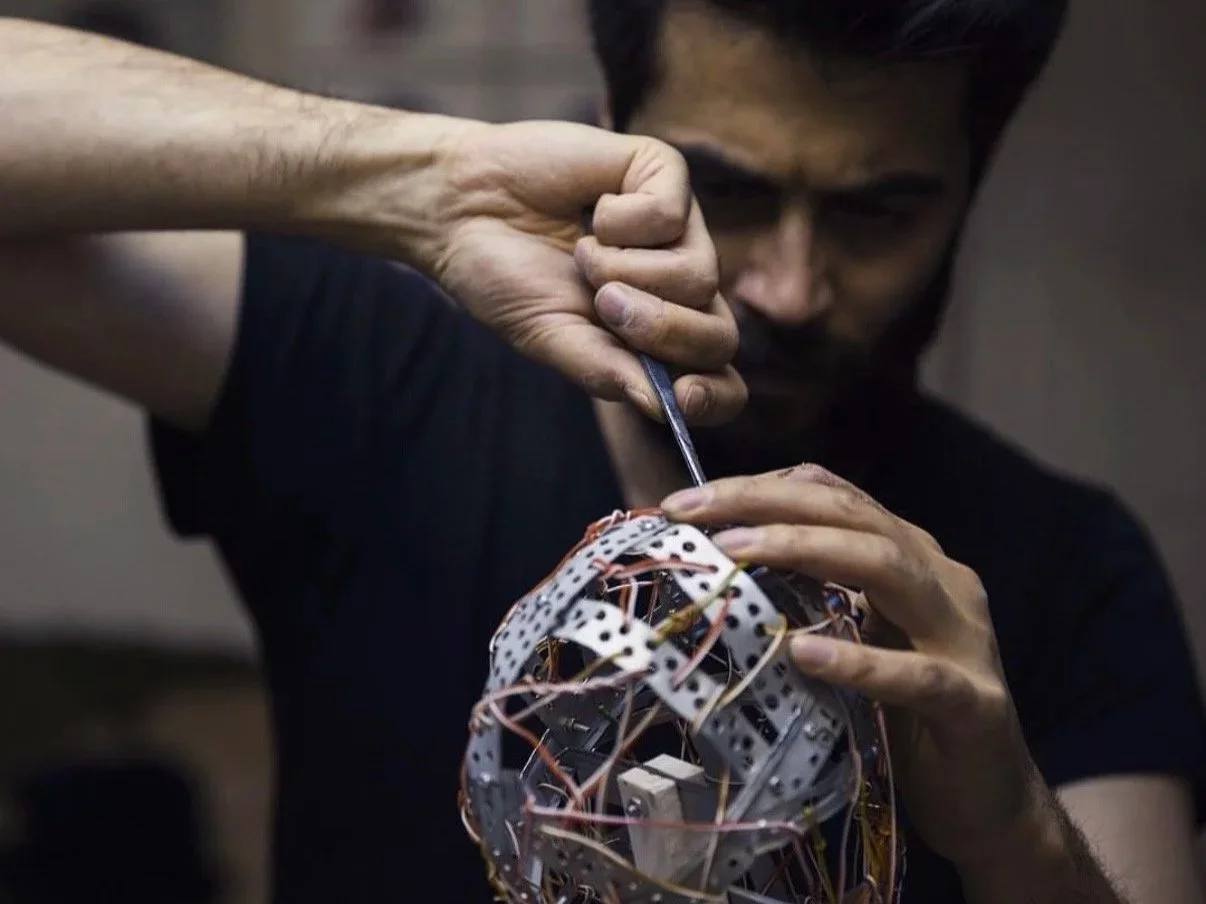
Much of it is curiosity and exploration. There are central ideas but they lend themselves differently to different mediums and materials. In return the materials create new ideas and approaches, and this loop goes on and on. I always try to keep actively and physically engaged in the process, this is where a lot of my ideas arise. It is about being present with the work. Often the ideas in one piece lead to the next.
Creativity is not always this genius idea. For me it is about being present with what you do, and realising when creativity happens. Most likely it is not what you are aiming at, but a kind of byproduct.
BREAKTHROUGH
What would you say was your first real breakthrough, the moment things shifted from just making work to actually being seen?
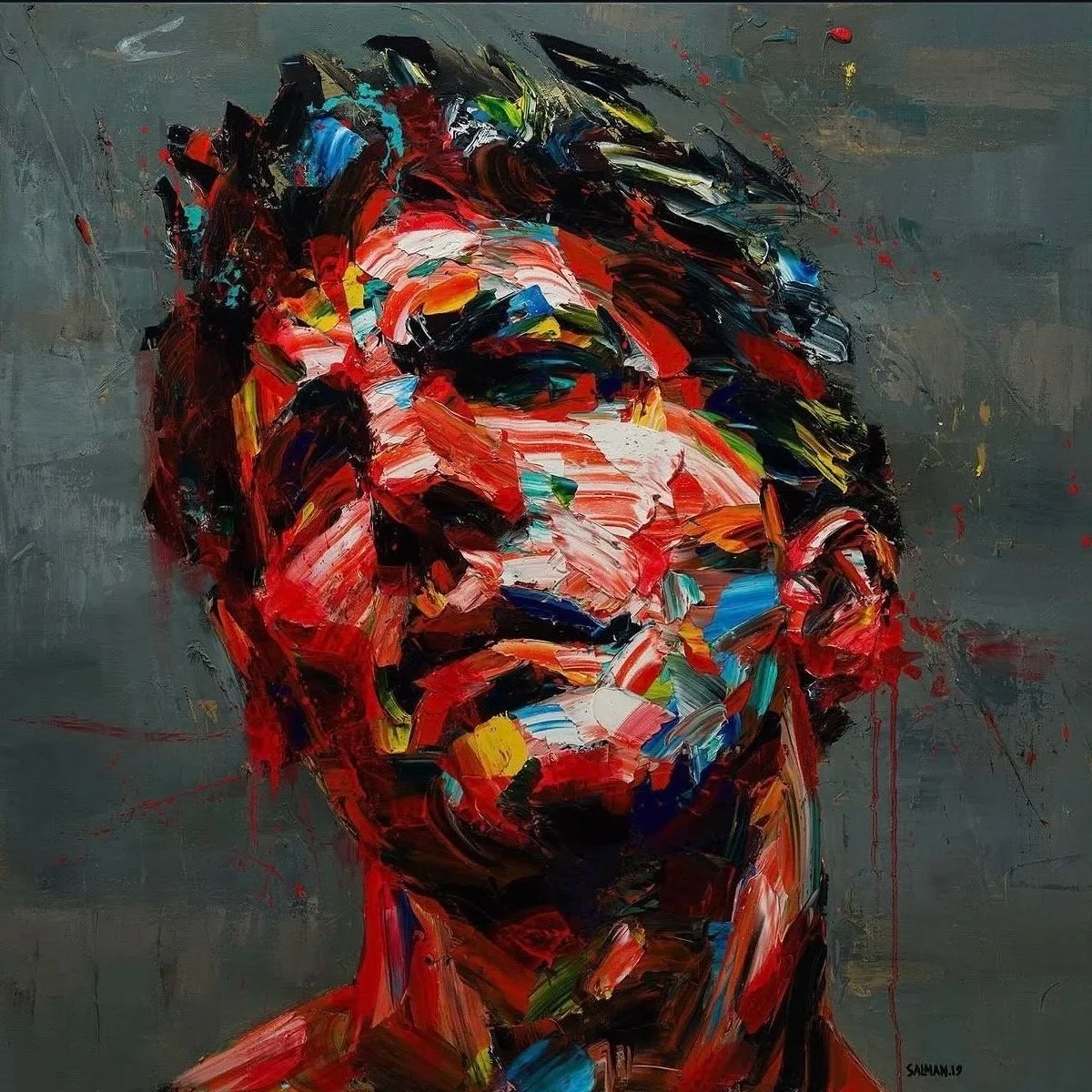
I had been working for a couple of years and had a few exhibitions in Tehran. I was experimenting with abstract figurations and portraits, and after a while one of my pieces went viral on social media. All of a sudden I had these emails and began to sell some work internationally. It was nice to be seen and build a global audience.
When you look at people, are you constantly analysing their faces and expressions, or can you switch it off?
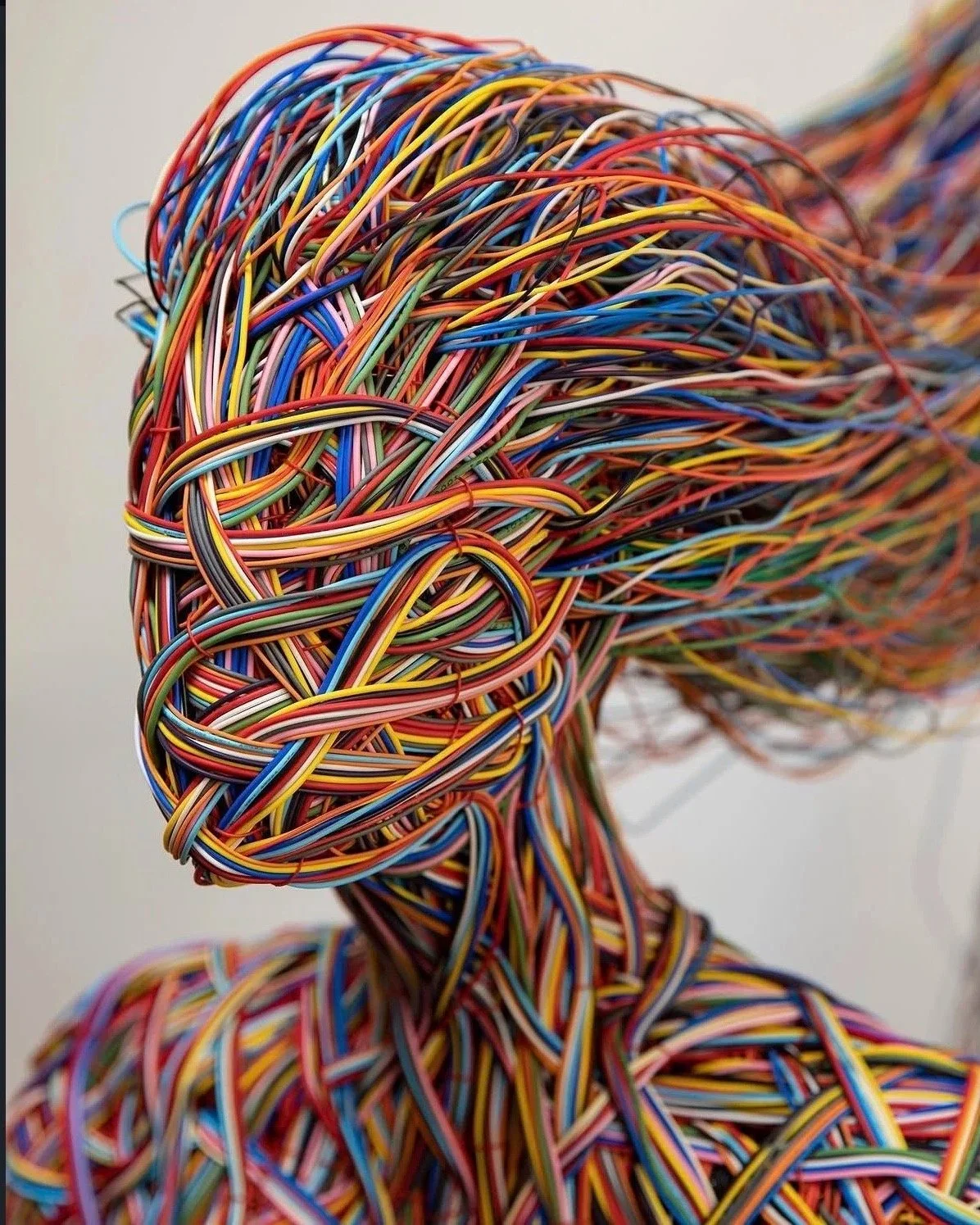
When I first started out I was making realistic paintings, I was really interested in all the details of people's faces. After doing this for so long it is second nature to me now. I am no longer interested in the specifics of an individual's face but instead general patterns and issues that the face represents.
MANCHESTER
Have you ever been to Manchester?
I have never been there, but I definitely have to go there now. It would be great to hang out and go to some of your gigs.
Salman Khosroo's work can be found at salmankhosroo.com
