Growing up in Yangsan, South Korea, DJ co.kr discovered a world of music far beyond his immediate surroundings. What began with an iPod and a fascination with UK grime and garage eventually led him to Seoul's underground club scene, collaborations with some of Britain's most recognisable MCs, and international recognition.
With his new EP After School arriving on Peggy Gou's Gudu Records, we spoke to DJ co.kr about his journey through music, the growing underground scene in South Korea, and the experiences that shaped him along the way.
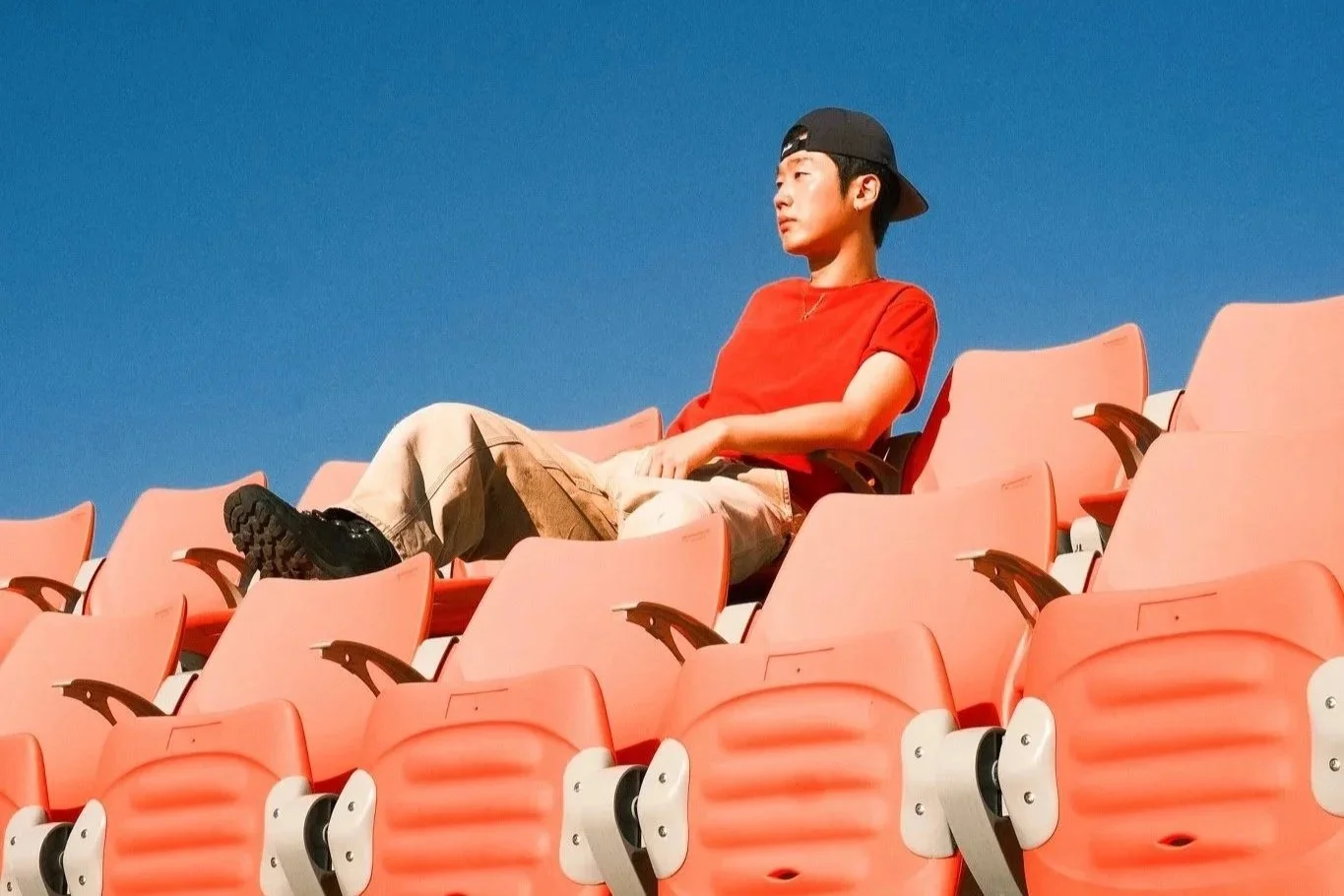
DJ co.kr. The South Korean producer bringing his own perspective to UK garage and bass music.
You grew up in Yangsan, near Busan. What was your first introduction to music?
I moved around a lot during my childhood. I mainly grew up in Yangsan, a small city in South Gyeongsang Province, next to Busan.
What really got me into music was an iPod my father bought me. I loved collecting and organising my favourite music and albums on it, and that naturally led me to start discovering all kinds of different music.
You've spoken about discovering Cakeshop in Seoul while on leave from military service. What was happening in your life at the time, and how important was that experience?
To be honest, my childhood was quite dark and difficult. My family environment wasn't particularly harmonious, and I went through some personally difficult times. During those years, the iPod my father bought me was like a friend. Spending time alone listening to music, discovering albums I loved and organising them gave me a lot of enjoyment and comfort.
The first major turning point in my life was military service, and another was discovering Cakeshop in Seoul.
While serving in the military, I found out through Instagram that the music I'd been listening to was actually being played at a club called Cakeshop. So when I was on leave, I went to experience it for myself. It was genuinely mind-blowing.
At the time, most of the Korean clubs I knew focused on EDM, and many seemed more concerned with nightlife and entertainment than the music itself. But Cakeshop was completely different. I couldn't believe I was hearing the music I'd been listening to alone through my earphones in an actual club.
It wasn't simply discovering a new club. It was an important moment that changed the way I looked at music and even the direction of my life.
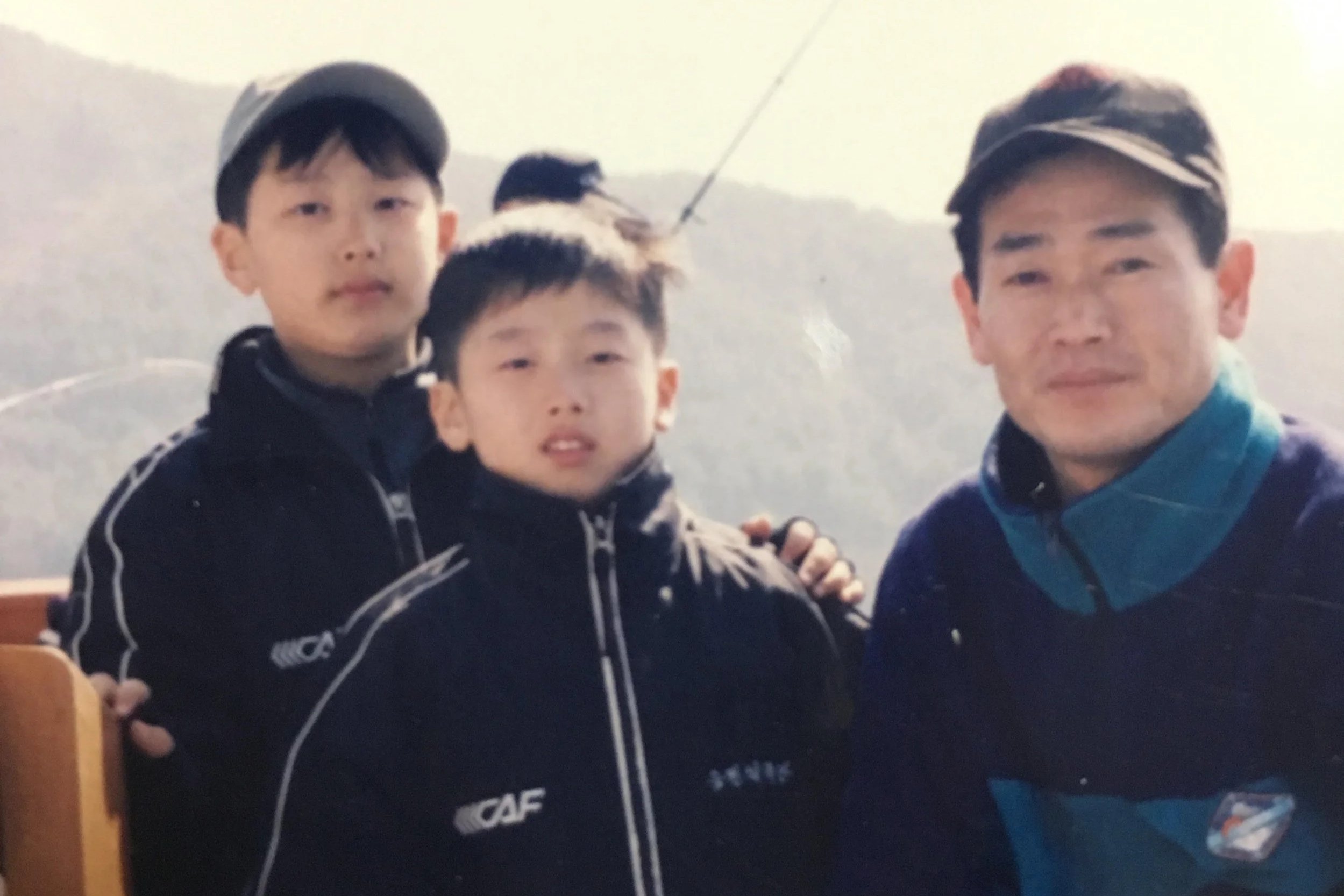
DJ co.kr with family during his childhood in Yangsan.
You initially discovered a lot of UK music online. How different was it hearing those sounds through a club system for the first time?
Back then, the main places I discovered music were Boiler Room and BBC Radio programmes by DJs such as Diplo and Benji B.
I already loved listening to grime through my earphones, but experiencing it in a club was completely different.
In particular, hearing grime sets from DJs like Andow and Quandol at Phantoms Of Riddim parties, with dubplates I'd never heard before coming through the club's sound system, was a huge shock. It was the moment I experienced music I'd discovered and loved online with a completely different energy.
I'm still incredibly grateful to the people who introduced me to this music and culture back then. Big respect!
How did your family react when DJing became your profession? Do you think attitudes towards DJs and producers are changing in Korea?
At first, my family thought DJing was simply a hobby I enjoyed. But as I continued making music and DJing, it naturally became my profession, and my family respected my decision without any particular opposition.
In Korea, especially among older generations, I don't think perceptions of DJing as a profession are particularly positive yet. I think that's because club culture has long been associated more with nightlife and entertainment than with music.
But I believe Korean club culture is now developing beyond that into a music culture in its own right. So I can understand why older generations might find it difficult to understand DJing as a profession.
What's happening in Seoul's underground music scene right now? Beyond UK garage, which sounds and artists are connecting with audiences?
I think Seoul's underground club scene is currently broadly divided into house, techno and UK bass, with different clubs and parties operating around each genre.
Personally, I feel things started gradually changing after Fred again..'s Boiler Room set became such a big talking point. UK garage and bass music began being played more frequently, not just in underground clubs but in more mainstream clubs too. I felt audiences were gradually becoming more comfortable with those sounds.
Of course, this music didn't suddenly appear in Seoul. There have long been parties such as Ghetto-Ray, Phantoms Of Riddim and JOL introducing people to particular genres. But back then, they faced various difficulties introducing that music to audiences and keeping those parties going.
That's why it genuinely makes me happy to see more and more people naturally embracing and enjoying these genres now.
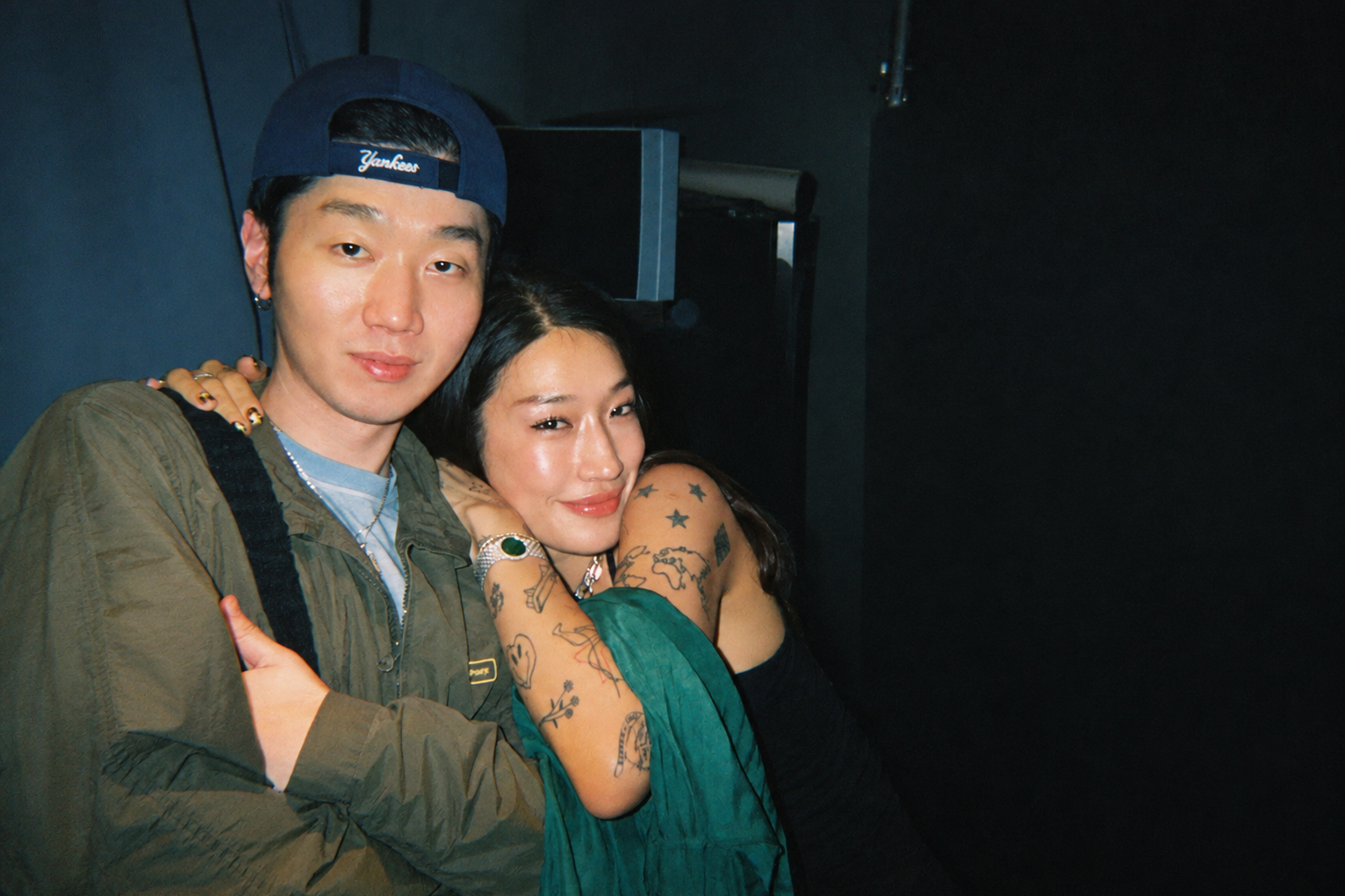
DJ co.kr alongside Peggy Gou
UK garage began in Britain but is now made and played around the world. How important are its British origins to audiences in Korea?
I think DJs and promoters understand that UK garage originated in Britain and consider its cultural background important. But to be honest, I don't know whether ordinary audiences are thinking about those things while enjoying the music.
And I don't believe people necessarily need to know a genre's history or cultural background before they can enjoy it. Especially in Seoul, I think the priority is making this music more familiar and accessible, so anyone can enjoy it without feeling intimidated.
An interest in music doesn't have to begin with understanding its history or culture. People can first become familiar with a sound and start enjoying it. Then, naturally, they may become curious about where it came from and the culture behind it.
I think many of the DJs and promoters currently active in Seoul probably discovered music that way themselves. They heard something, fell in love with it, and gradually learned about its roots and culture. That's certainly how it happened for me.
As these experiences build and audiences develop a deeper interest, I think it will naturally create an environment where more diverse and exciting events can happen. It could also lead to more exchanges with artists from Britain and the rest of Europe.
I believe helping create that environment is one of the important responsibilities facing Seoul's DJs and promoters today.
You've also performed in Britain, where UK garage began. What differences did you notice between British and Korean audiences?
I definitely felt there were differences.
What impressed me most about playing in Britain was how immediately audiences responded to classic UK garage and grime tracks. When I played classics that I personally love, people recognised them straight away and reacted. It gave me a strong feeling that we were connected through music.
In a way, that's only natural. It's where those sounds were born and developed, so they're already part of the audience's culture.
In Korea, as I mentioned earlier, we're still in the process of making this music more familiar to a wider audience and helping people enjoy it naturally.
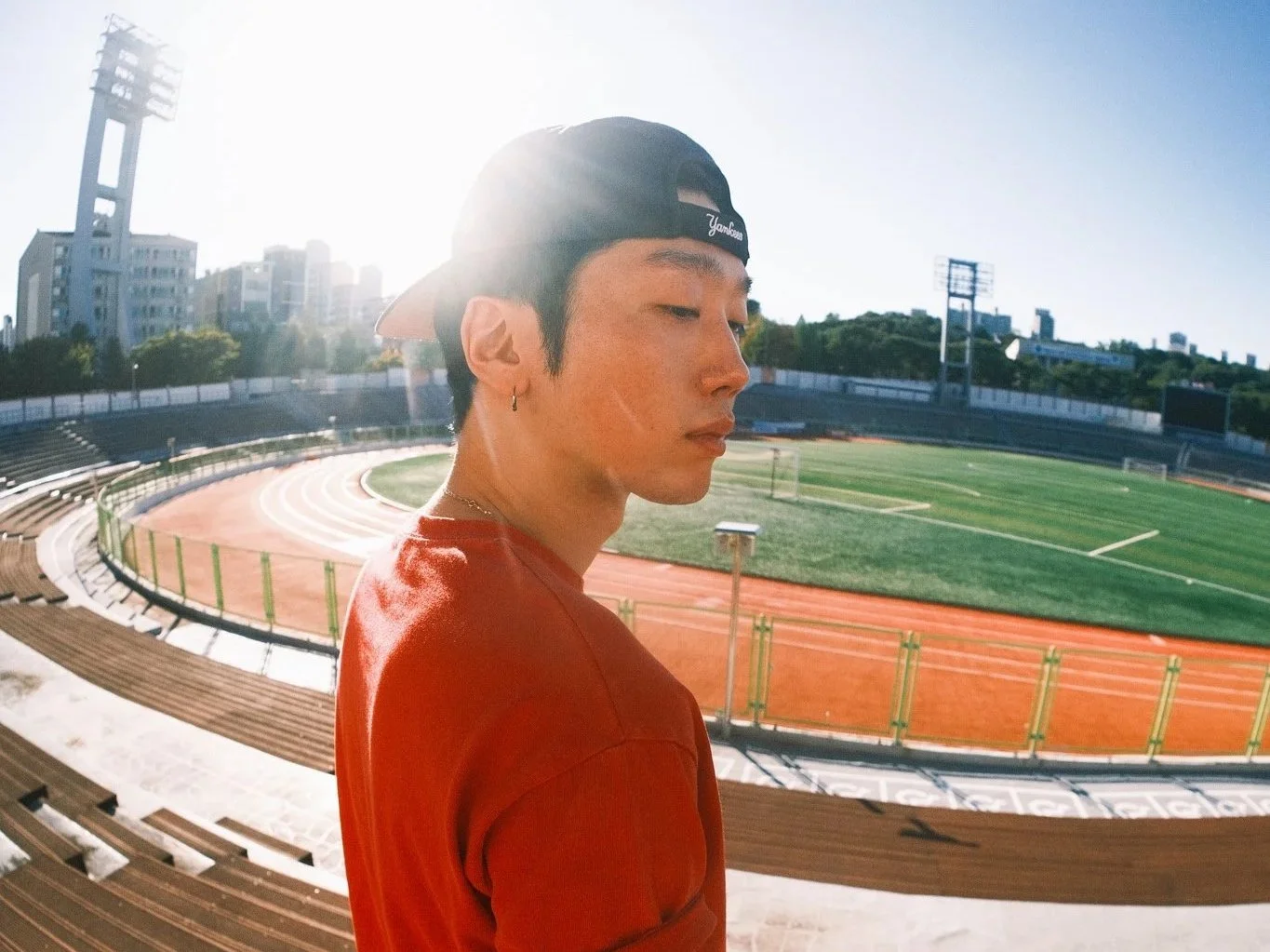
Building connections through music, at home and beyond.
You've collaborated with Riko Dan, Manga Saint Hilare, Killa P, Trim and Warrior Queen. How did those connections happen, and who would you like to work with next?
They're all artists I've genuinely loved for a long time. Their tracks have always been highlights of my DJ sets. I'd wanted to work with them someday, so eventually I just started contacting them directly.
One by one, those collaborations happened. Even now, it's difficult to describe how I felt when I first received their acapella files. Hearing voices I'd listened to for years as a fan over music I'd made myself felt incredibly special.
This December, I'm also scheduled to perform alongside Killa P at Antídoto in Madrid. I'm really excited, and it feels quite emotional to be sharing a stage with an artist I've admired for so long.
Recently, I've been completely hooked on Nori's bassline house tracks. They have incredible energy when I play them in clubs, so I'd love to work together.
I'd also like to explore something a little different. I'd love to make a house or UK funky track using Reek0's emotional and distinctive style.
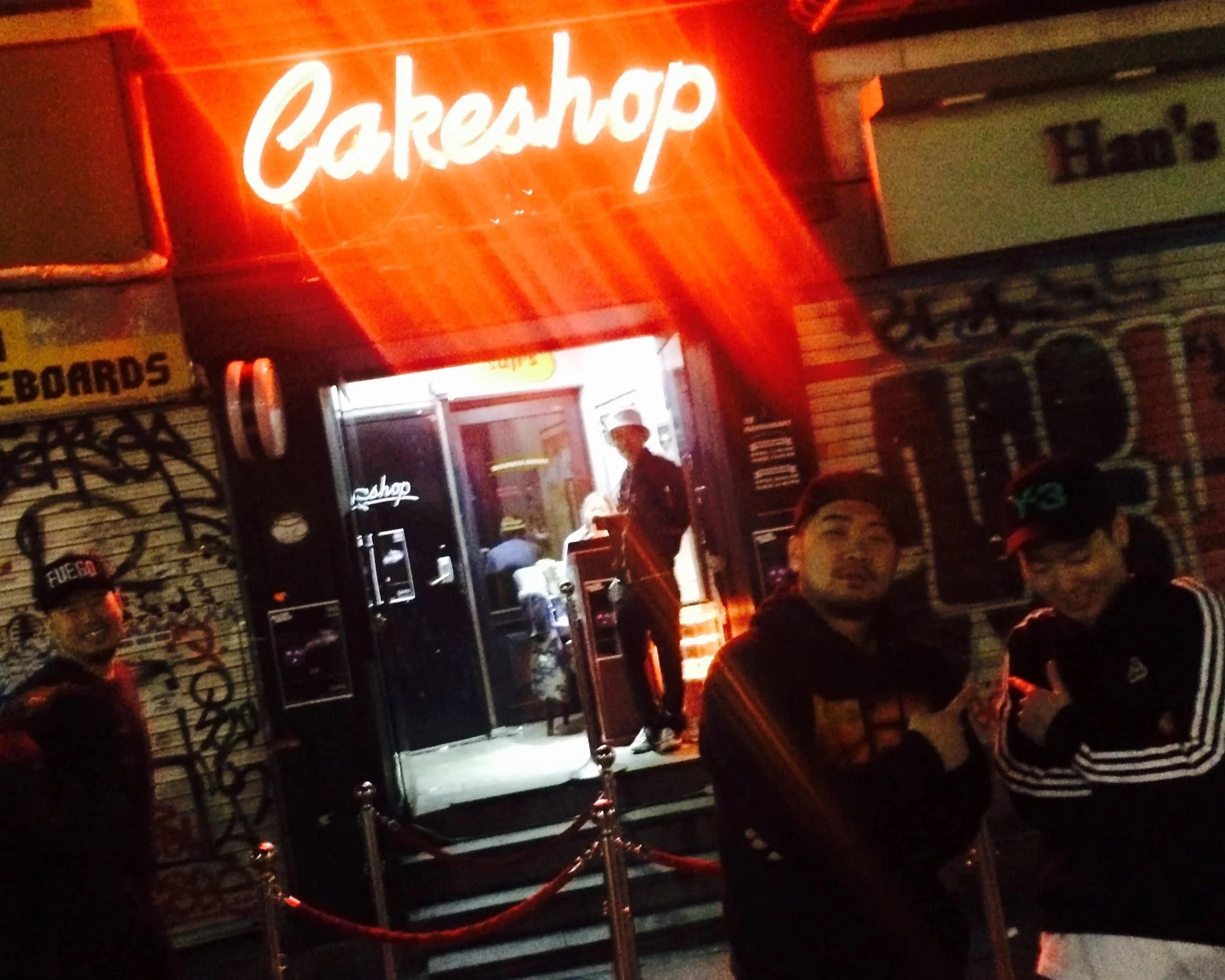
Outside Cakeshop in Seoul.
Your music has been played by Fred again.. and Nina Las Vegas, and your collaboration with h4rdy reached Skepta's Big Smoke Festival. Did you ever imagine your music reaching audiences outside Korea?
I didn't start out with a particular plan to target international markets. I think it happened naturally as I made the music I loved and collaborated with other artists.
Working with people like Riko Dan, Y U QT and Sam Interface naturally connected my music with scenes overseas, and perhaps helped it become more familiar to DJs there.
But that doesn't mean I take international recognition for granted. Every time it happens, I'm genuinely surprised and happy. Even now, when someone plays my music or mentions me in an Instagram story, sometimes the dopamine rush is so strong that I can't sleep. (Laughs)
One particularly memorable moment was when ILL E SAM SA, which I made with h4rdy and released through Steel City Dance Discs, was played overseas.
That alone was hard to believe. But then Skepta, one of my favourite grime artists, freestyled over the track. I could never have imagined that.
I was just a country kid who grew up in Yangsan, a small city near Busan. The fact that someone who spent his childhood listening to grime alone through earphones could end up hearing Skepta's voice over music he'd made, with that music playing at a major British festival, is still hard for me to believe.
I don't think anyone could fully understand how I felt in that moment. It was that special to me.
You've performed at events for Chanel, Bottega Veneta and Louis Vuitton. How do you approach bringing underground sounds into those spaces?
To be honest, I'm not particularly knowledgeable about fashion. (Laughs)
But when I play events for luxury brands, I spend a lot of time thinking about how to naturally combine the atmosphere of the space with the music I love and usually play.
The UK garage and bass music I enjoy originally came from underground club culture, but I find it interesting that these sounds can now fit naturally into spaces with completely different atmospheres.
That doesn't mean I want to completely change my musical identity to suit an event. I think it's important to respect the atmosphere of the space while naturally incorporating the sounds I love in my own way.
Ultimately, what matters more to me than where I'm playing is the new atmosphere and energy I can create between the space and my music.
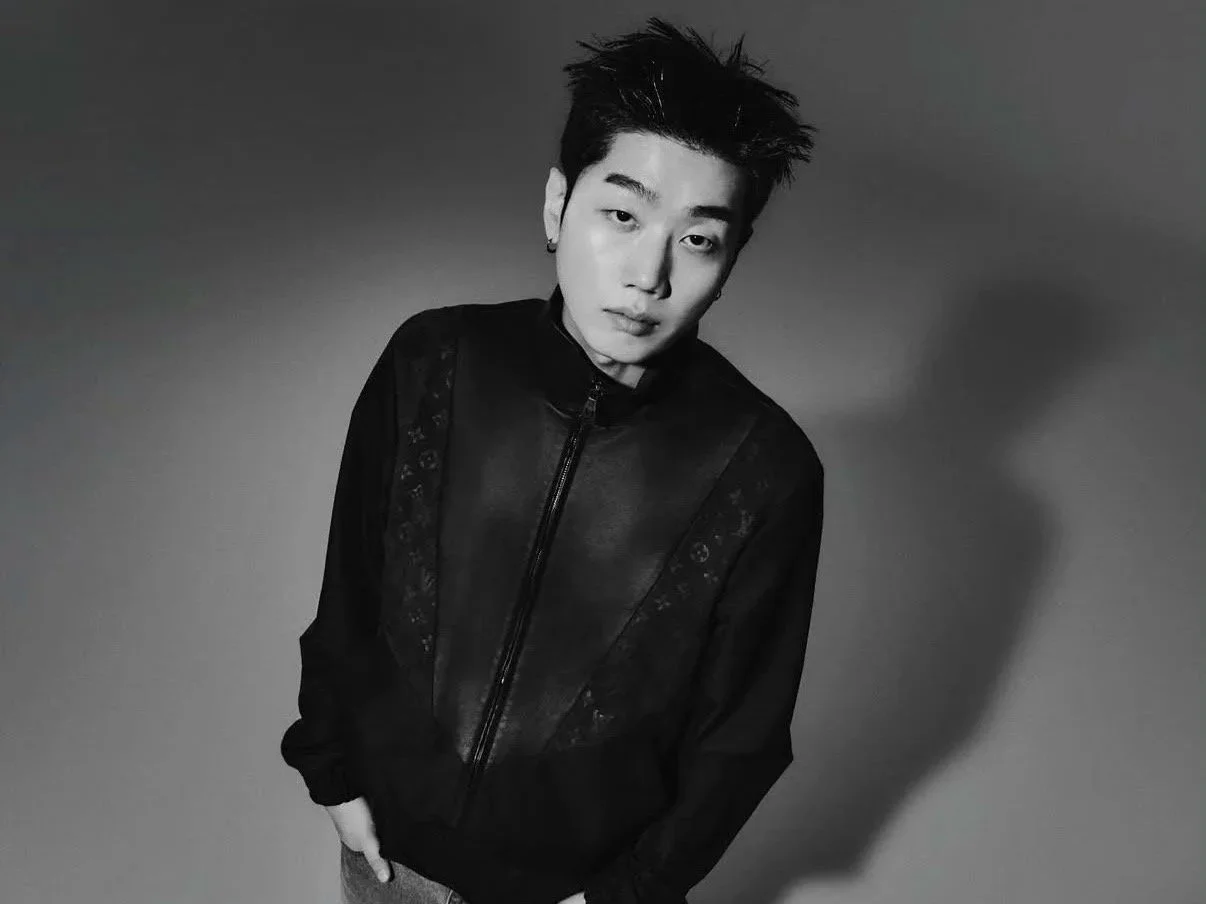
DJ co.kr's musical journey has taken him from the underground to international stages.
Your new four-track EP, After School, is coming out on Peggy Gou's Gudu Records. How did that relationship begin?
I didn't actually have a personal relationship with Peggy from the beginning.
Around the time I'd finished all the demos for the EP, Peggy Gou posted Gudu's official demo submission email address on her Instagram story. I sent my music to that address.
A few days later, I met Peggy in person at a brand event. She told me I'd submitted my demo in the smartest way and that she'd been really impressed.
I hadn't simply sent music files. I'd put together my artist biography, tracklist, press materials and previously released albums in a way that made everything easy to see and understand. I was genuinely happy that Peggy had noticed that effort.
We briefly greeted each other and went our separate ways. Then, surprisingly, the very next day, I received an email response from Gudu's manager. That's how the release of my EP on Gudu, a label I'd dreamed of joining for a long time, really began.
While preparing the EP, my connection with Peggy naturally continued. I had valuable opportunities to support her performances at UNVRS in Ibiza, a Chanel event and ULTRA Japan.
There's also something she might not remember. During the pandemic, I had an opportunity to say hello to Peggy at MODECI in Seoul. The test pressing of my Soundbwoy 1 vinyl had just arrived, and I remember giving her a copy.
At the time, I never imagined I'd one day release my music on Gudu. Looking back, it's quite an amazing connection.
This experience reminded me that making good music is important, but so is how you prepare and present it, and how seriously you take even small opportunities.
Above all, what made me happiest was that an artist I'd admired and respected for so long recognised my music and the effort I'd put into it.
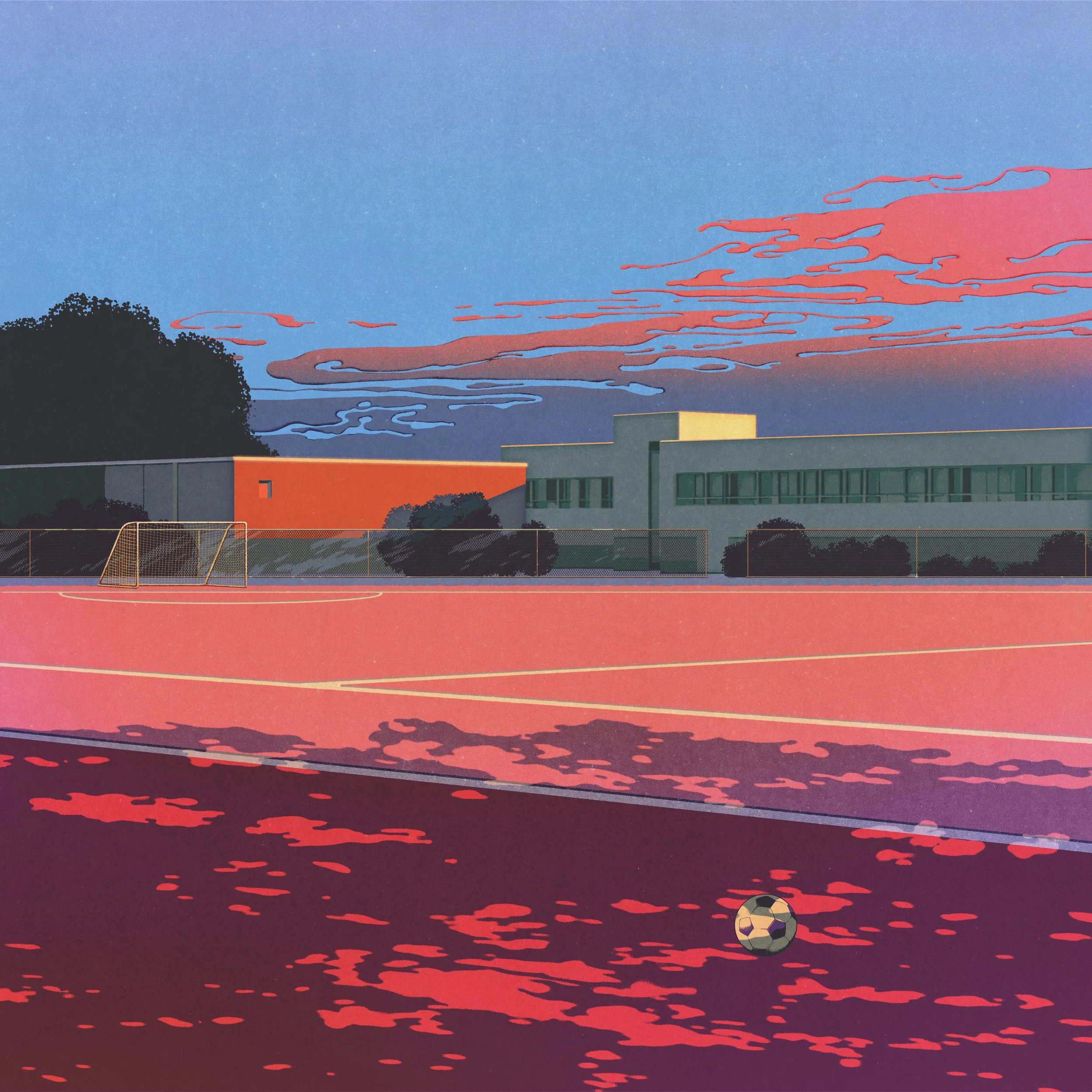
After School, the four-track EP released on Peggy Gou's Gudu Records in 2026.
After School brings together Baltimore club, house, UK garage and reggae influences. What connects the four tracks?
I've developed my own sound through the music I've made over the years, but I also really love house. I wanted to find a natural way to combine the sounds I'd been making with house music.
That began with EECC. While making that track, I realised it could be interesting to combine the distinctive drum grooves and rhythms of Baltimore club, or Bmore, with house. That idea became the starting point for making this house EP.
There's also an interesting story behind the advance single, Murda Dancing. Originally, the breakdown featured Sister Nancy's vocals. But there were difficulties negotiating permission with her rights representatives, so in the end I had to remove the vocals.
In fact, all the tracks on the EP were already finished last year. But resolving the vocal clearance issue took much longer than expected.
Personally, I'm disappointed that Sister Nancy's voice couldn't remain on the track, but I think Murda Dancing still contains elements of reggae and UK garage.
The four tracks on the EP each have different rhythms and atmospheres, but they're all connected by the musical elements I've loved and worked with for years, brought together within house music.
Rather than making house according to a fixed set of genre rules, I wanted to naturally incorporate the rhythms and energy of music I love, such as Baltimore club, UK garage and reggae.
Ultimately, the sound created by bringing those elements together is my own version of house, and that's the common identity of After School.
If we return to Seoul in five years, what would you like to see change in its underground music scene?
To be honest, I still feel Seoul's underground music scene is relatively small.
There are more clubs, DJs and promoters, but the audience actively enjoying underground music hasn't grown to the same extent. As a result, there's sometimes an atmosphere of people competing over a limited audience and limited opportunities, almost like fighting over their own slice of the pie.
Of course, I don't think competition itself is necessarily bad. But while the scene is still small, I think it's just as important to grow the culture and the audience together as it is to compete.
Watching Dekmantel Festival 2026 recently made me think about this a lot. I was impressed by the way different genres, from dub to house, came together naturally and harmoniously within one festival.
I'd love to see a festival like that emerge in Seoul someday, where DJs, crews and promoters from different genres respect each other's identities and create something together.
Rather than viewing each other only as competitors, or feeling envy and jealousy, I'd like people to share their musical experiences and cultures and work together to build a bigger scene.
In five years, I hope Seoul will be a place where people think less about competing to attract the biggest audience and more about how to help more people enjoy this music and culture.
Ultimately, I don't just want a few clubs or artists to grow. I want to see Seoul's entire underground music scene grow together.
Thanks to DJ co.kr for taking the time to share his story with Conduct.
Explore more interviews and features from across underground music and culture, and follow @conduct.magazine across all socials for the latest.
